Embroidery Pastel Delicate Backgrounds
A Soft, Sophisticated Foundation for Boutique Apparel
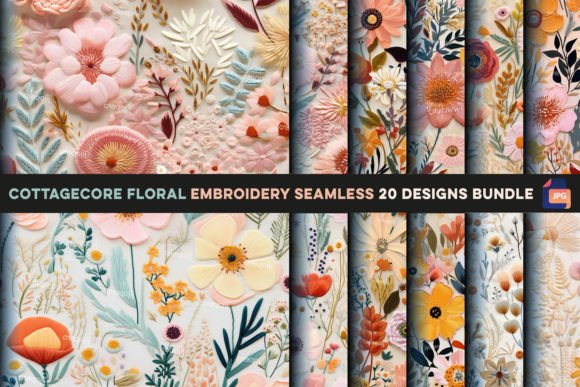
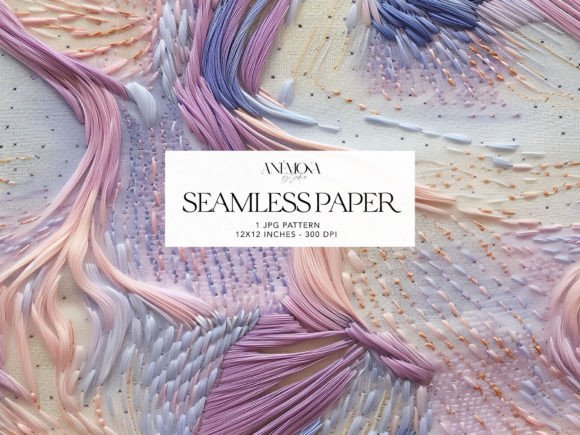
As an embroidery designer who’s developed collections for indie clothing lines and Etsy sellers over the past decade, I approach every new Creative Fabrica embroidery asset with a very specific question: Does this elevate the garment—or just sit on it? When I first opened Embroidery Pastel Delicate Backgrounds, my instinct was immediate: this isn’t a bold statement piece—it’s a whisper of intention. The set delivers one seamless 12″×12″ JPG at 300 dpi, RGB, designed as a faux embroidery digital paper. Right away, its visual personality reads as feminine, minimal, and quietly premium—not cutesy or overly ornate, but thoughtfully composed with airy spacing, gentle gradients, and subtle textural nuance that mimics hand-stitched delicacy.
How It Performs Across Real Apparel Applications
Let’s talk sweatshirt embroidery first—because that’s where many boutique brands begin. On neutral heather grey or oatmeal fleece, Embroidery Pastel Delicate Backgrounds works beautifully as a chest placement anchor. Its low-contrast pastel palette lets thread colors pop without competing; think soft sage, dusty rose, or warm ivory embroidery stitched directly over the printed background. For hoodie design, I’d use it as a subtle back panel filler beneath a small monogram or brand logo—adding dimension without overwhelming the silhouette. On oversized garments, the seamless 3600px scale means you can scale confidently across curved shoulders or relaxed hems without pixelation in mockups or printable mockup layouts.
For t-shirt embroidery, especially on lightweight cotton or slub blends, this pattern shines as a background layer behind minimalist lettering or single-icon motifs. It adds depth without heaviness—ideal for lifestyle product photos where texture and tone matter more than flash. On denim jackets? Use it sparingly: a small section along the collar edge or pocket flap creates cohesion across a capsule collection. Tote bags benefit most when the background is printed full-panel before stitching a small embroidered accent on top—giving handmade product listings a cohesive, elevated look that stands out in crowded Etsy feeds.
Where to Use It—And Where to Pause
Embroidery Pastel Delicate Backgrounds excels in controlled placements: chest logos, sleeve cuffs, inner hem tags (for visible lining details), or back yoke accents. But it’s not built for dense stitch areas or tiny lettering integration—you won’t be embroidering fine script directly into its pattern without risking visual clutter. On stretchy fabric like ribbed knits or performance blends, test how the printed background interacts with seam movement; slight distortion may occur if not stabilized properly. With fleece or heavy French terry, ensure your stabilizer supports both print fidelity and stitch hold—especially near curved surfaces like hood openings or banded cuffs.
On dark garments, remember this is a digital paper, not a pre-colored embroidery file. You’ll need to either print it via DTG or sublimation first, then embroider over it—or use it as a guide for digitizing your own machine embroidery design. That distinction matters: Embroidery Pastel Delicate Backgrounds is a Graphics asset, not a ready-to-hoop embroidery file. So while it’s perfect for custom apparel mockups and social media graphics, it doesn’t replace digitized stitch files unless paired intentionally.
Impact on Brand Identity and Customer Trust
In today’s market, consistency is currency. Using Embroidery Pastel Delicate Backgrounds across a seasonal collection—say, matching sweatshirts, tote bags, and matching lounge sets—creates instant visual recognition. Buyers begin to associate that soft, seamless texture with your boutique brand’s calm, considered aesthetic. That builds trust: when customers see the same delicate background reappearing across product photos, packaging inserts, and Instagram stories, they register professionalism—not randomness. It also lifts perceived value. A plain white tee becomes a curated piece when layered with this kind of intentional background texture, even before embroidery begins.
For Etsy sellers and small shop product listings, that subtlety translates directly to higher engagement. Shoppers scroll faster than ever—but pause for harmony. This pattern doesn’t shout; it invites closer inspection. That’s gold for conversion.
Practical Designer Notes Before You Stitch
- Always test on scrap fabric—especially if pairing with embroidery. Print first, then hoop and stitch to assess bleed, shift, or tension issues.
- Match stabilizer to fabric texture: cutaway for knits, tear-away for stable wovens, and fusible film for lightweight layers.
- Review thread color contrast carefully. Pastel-on-pastel can fade visually—try off-white thread on blush backgrounds or charcoal grey on lavender for definition.
- Confirm hoop size compatibility early. While the JPG itself is scalable, your embroidery placement must fit within your machine’s maximum hoop dimensions.
- Inspect stitch density in your final digitized version. Don’t overload the background area—let the delicacy breathe.
- Test on the exact garment fabric you’ll sell. A mockup screen looks flawless; real-world fleece behaves differently.
- Compare placement options side-by-side: centered chest vs. left-chest vs. sleeve cap. Small shifts change impact dramatically.
- Double-check Creative Fabrica product details and licensing before launching commercial embroidery products. This is a Patterns/Graphics asset—verify permitted uses for finished apparel resale.
Final Thought: Less Is Thoughtfully More
Embroidery Pastel Delicate Backgrounds won’t dominate your design process—but it might refine it. It’s the quiet confidence behind a well-curated collection: unobtrusive, intentional, and deeply wearable. For apparel decorators building boutique brands, small clothing labels, or handmade product lines, it’s a versatile tool—not a shortcut. Used with care, it helps turn simple garments into signature pieces. And in an industry saturated with loud trends, that kind of thoughtful restraint? That’s what keeps customers coming back.