Green Embroidery Sequin Fabric Paper – A Designer's Review
When I first opened the Green Embroidery Sequin Fabric Paper from Anemona Estudio, I immediately felt that familiar spark. The kind of spark that makes you stop scrolling through endless design assets and actually lean in. This isn't just another digital paper. It carries a mood, a texture, and a personality that begs to be used in something real. As someone who spends their days thinking about thread, fabric, hoops, and product presentation, I knew within minutes that this pattern had a place in my workflow. But I also knew I needed to test it mentally against every practical scenario an embroidery designer or small shop owner might face.
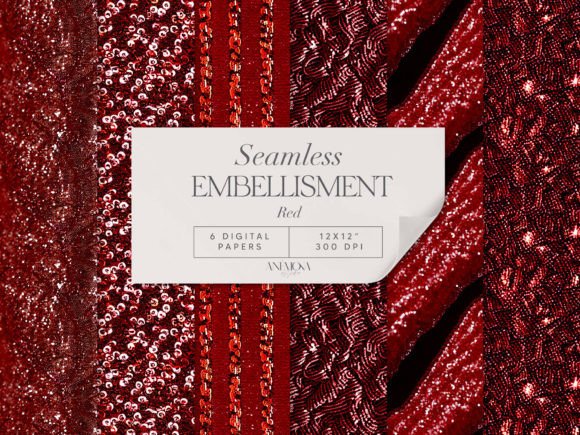
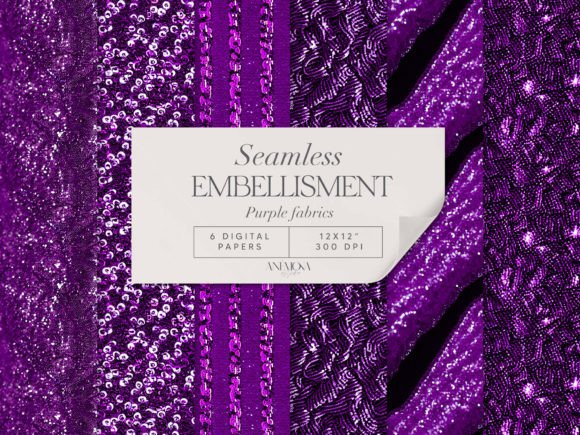
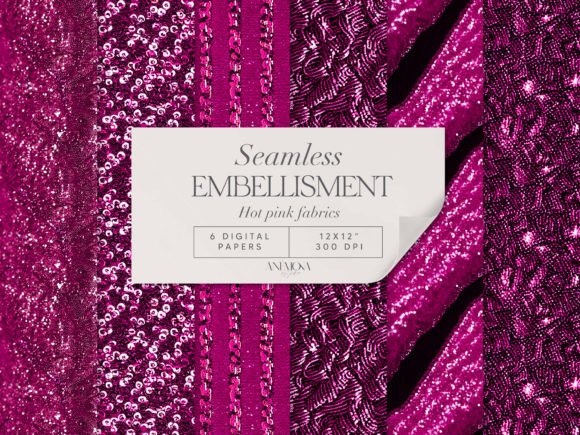
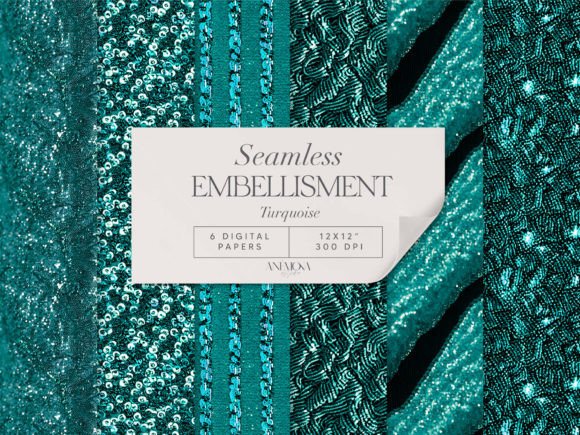
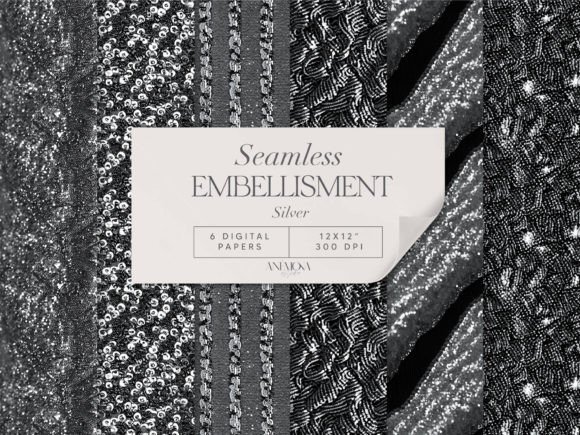
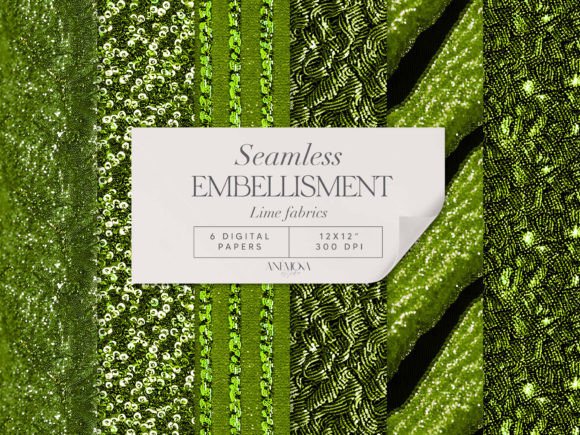
The set includes six luxury digital papers in JPG format at 300 dpi, RGB color space, seamless, and a generous 3600 pixels wide. That translates to a clean 12-inch canvas at print resolution. The green tones are rich without being overpowering, and the sequin-and-embroidery motif carries just enough detail to feel luxurious without becoming a visual distraction. For anyone who designs embroidery files, sells finished handmade goods, or runs a craft business, this kind of asset can quietly elevate everything from mockups to product photography.
What This Pattern Actually Feels Like in Person
I say "in person" loosely, because we are talking about a digital product. But the visual texture is so convincing that your brain almost registers a tactile response. The green sequin effect shimmers in a way that mimics real fabric, and the embroidery-inspired detailing woven through the pattern adds a layer of craftsmanship that feels intentional. It doesn't scream "clip art." It whispers "boutique."
That distinction matters. When you are preparing a custom embroidered tote bag for a client reveal, or setting up a new Etsy listing for a personalized sweatshirt, the background texture you choose sets the entire tone. A flat white background can feel sterile. A poorly chosen pattern can feel amateur. But a pattern like the Green Embroidery Sequin Fabric Paper creates a backdrop that complements the handmade nature of the product without stealing focus. It tells the buyer, "This was made with care, and the person who made it has taste."
The Real-Life Test: A Boutique Tote Bag Collection
Let me walk you through a scenario I actually mapped out while evaluating this paper. I had a client who wanted a small run of embroidered canvas tote bags for a boutique opening. The totes were natural cotton, and the embroidery design was a delicate floral monogram in soft cream and sage threads. The stitching was clean, the satin stitch borders were crisp, and the fill stitch areas had just the right density. The product was lovely. But the product photos were not.
The first round of photos used a plain white foam board background, and the result was forgettable. The second round used a textured linen backdrop, which was better but still lacked warmth. Then I pulled the Green Embroidery Sequin Fabric Paper into a digital mockup, placing the embroidered tote on a soft flat lay that incorporated the pattern as a subtle surrounding texture. The difference was immediate. The green tones echoed the sage in the threadwork. The sequin shimmer contrasted beautifully with the matte cotton of the tote. The product suddenly looked like it belonged in a high-end boutique rather than a garage workshop.
That is the practical power of a well-designed digital paper. It doesn't change the embroidery. It changes how the embroidery is perceived.
Where This Pattern Works Hardest for Embroidery Sellers
If you are an Etsy seller, a craft fair vendor, or a small shop owner, you already know that presentation can make or break a sale. The Green Embroidery Sequin Fabric Paper earns its place in several specific workflows:
- Printable mockups for digital embroidery file listings. When you sell machine embroidery designs as digital downloads, you need a mockup that shows the design stitched out. Layering your stitch simulation over this paper creates a finished, editorial look.
- Product photography backdrops for physical items. Print the paper at 12 inches and use it as a clean, wrinkle-free surface for small item photography like embroidered patches, baby bibs, or personalized keychains.
- Branding and packaging. Use the pattern as a design element on thank-you cards, hang tags, or tissue paper inserts. The embroidery motif naturally ties back to what you sell.
- Social media graphics. The seamless repeat means you can stretch it across any canvas size without awkward breaks, perfect for Instagram posts or Pinterest pins that showcase your latest custom apparel project.
Each of these uses taps into the same truth: buyers respond to cohesion. When your background, your branding, and your actual embroidery work all feel like they belong to the same family, trust builds faster. And trust is what turns a browser into a buyer.
When You Should Pause and Think Twice
No design asset is universally perfect, and I would be doing you a disservice if I didn't point out where the Green Embroidery Sequin Fabric Paper requires some caution. The pattern has a distinct sparkle and a saturated green palette. That is its strength, but it also means it can clash with certain embroidery projects if you are not intentional.
If you are photographing a bright red holiday sweatshirt with bold embroidery, placing it against this green sequin pattern might create a color conflict that distracts the eye. The same goes for dark fabric items where the contrast between the rich green backdrop and a deep navy or black garment might not provide enough separation. You can solve this by adjusting the opacity of the paper in digital mockups, or by using it as a smaller accent rather than a full-frame background.
Also, if you are printing the paper for physical use, remember that it is RGB. What you see on screen will shift slightly when printed on a CMYK printer. The greens may lose a touch of their vibrancy. For most craft applications, this shift is subtle and acceptable. But if you need exact color matching for a branded product line, test a print sample before committing to a full run of packaging or display materials.
For small hoop size considerations, if you are thinking of printing this pattern onto fabric and then embroidering directly over it, you need to think about the scale. At 12 inches wide, the pattern is designed for larger surfaces. If you shrink it down to fit a 4x4 hoop, the sequin details may become muddy. Keep the pattern at its intended scale, or close to it, for the best visual impact.
Thread, Texture, and the Finished Product
One thing I always consider when evaluating any design asset is how it interacts with real embroidery materials. The Green Embroidery Sequin Fabric Paper has a sheen that mimics metallic surfaces. If you use it as a mockup backdrop for an embroidered cap or a pillow cover that features metallic gold or silver thread, the visual harmony can be stunning. The pattern reinforces the luxury cues that metallic threads already provide.
On the other hand, if your embroidery style is more rustic and relies on matte cotton threads with a homespun feel, this pattern might feel too polished. That doesn't mean you should avoid it. It means you should use it deliberately. Maybe you use it only for your premium product line, or for holiday gift collections where a little extra sparkle feels appropriate. The key is knowing your brand and matching the mood of the pattern to the mood of your product.
Practical Notes for the Working Designer
Before you integrate the Green Embroidery Sequin Fabric Paper into your workflow, here are the steps I recommend based on years of trial and error:
- Test the pattern at different scales. The seamless design is forgiving, but the visual weight changes when you zoom in or out. Check how it looks as a full background versus a cropped accent.
- Check thread color contrast. If you are layering stitch simulations or real embroidery photos over the paper, make sure your thread colors pop rather than sink into the green. Cream, white, gold, blush, and soft yellow all play nicely. Dark navy or charcoal can work too, but test them side by side.
- Review stitch density mentally. Even though this is a digital paper, the design elements within it suggest density. If your actual embroidery has very dense fill stitch areas, the overall composition can feel heavy. Balance the visual weight.
- Print a sample. Even if you plan to use the paper primarily for digital displays, print one sheet at 12 inches on good quality matte or satin paper. Seeing it in physical form helps you judge how it will photograph, and it gives you a tangible asset for flat lay setups.
- Confirm licensing before selling. The product description mentions you receive six digital papers from Anemona Estudio. Check the terms regarding commercial use. If you plan to use the pattern on products you sell, or as part of a digital embroidery file bundle you offer, make sure your license covers that. Most design asset shops allow broad use, but never assume.
How This Pattern Fits Into a Growing Craft Business
I think about scalability a lot. When I review a design asset, I ask myself whether it will still be useful six months or a year from now, when the product line has expanded and the brand has evolved. The Green Embroidery Sequin Fabric Paper passes that test. It is specific enough to feel curated, but versatile enough to work across seasons and product types.
For holiday embroidery collections, the green sequin motif reads as festive without being overtly Christmas. It could anchor a Valentine's Day product shoot just as easily as a St. Patrick's Day promotion. For baby embroidery projects, the soft shimmer feels gentle and celebratory. For wedding gift items, it adds a touch of elegance without competing with the personalized embroidery that makes the gift special.
I have also seen designers use patterns like this one as design assets within larger branding kits. They pair the paper with coordinating solid colors, a logo, and a few curated fonts, and suddenly they have a cohesive visual identity for their craft business. That kind of resourcefulness separates hobbyists from professionals. It turns a six-dollar digital paper purchase into a foundation for brand recognition.
What Buyers Notice, Even If They Don't Say It
Customers rarely articulate why they trust one shop over another. They just feel it. The feeling comes from dozens of micro-decisions, including the backgrounds you choose for your product images. A pattern like the Green Embroidery Sequin Fabric Paper signals that you invested time in presentation. It says you care about the details. It makes your handmade product look like it belongs in a curated boutique rather than a cluttered marketplace.
That perception directly affects buyer engagement and customer trust. When someone lands on your listing and sees a beautifully presented embroidered patch or custom sweatshirt against a backdrop that feels intentional and polished, they are more likely to click, more likely to stay, and more likely to purchase. The pattern itself doesn't do the work. But it amplifies the work you have already done with your embroidery.
Final Thoughts From the Hoop
The Green Embroidery Sequin Fabric Paper from Anemona Estudio is not a substitute for good embroidery. It is a companion to it. It supports the work, frames it beautifully, and helps it reach the right audience. For embroidery designers, small business owners, and creative entrepreneurs who understand that presentation is part of the product, this digital paper set is a quiet but powerful tool. Use it wisely. Test it in your own context. Let it elevate what you are already making. And when a customer pauses on your listing, drawn in by something they can't quite name, you will know that every detail, including the background, played its part.