Silver Embroidery Sequin Fabric Paper: A Seasonal Asset
As an embroidery designer who spends months planning holiday collections, I treat every new digital asset with a mix of curiosity and caution. When I first opened the Silver Embroidery Sequin Fabric Paper from Anemona Estudio, I wasn’t entirely sure where it would fit in my workflow. The name alone promises a blend of shimmer, texture, and elegance—exactly the kind of mood I chase for late-autumn and winter launches. After working with the six included JPG papers, I can say this set is far more than a simple background. It’s a strategic tool for anyone building seasonal embroidery products, mockups, and handmade gift presentations.
First Impression: Frosted Glamour Meets Quiet Luxury
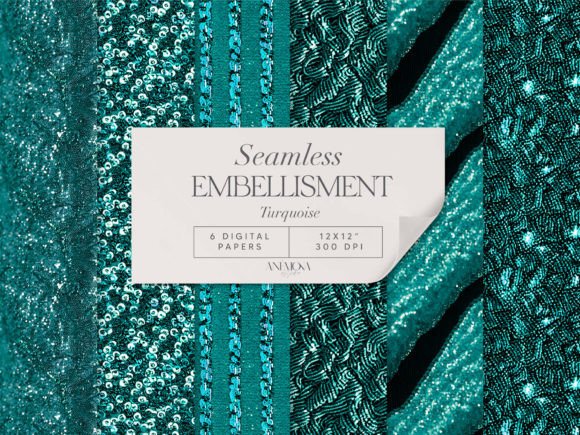
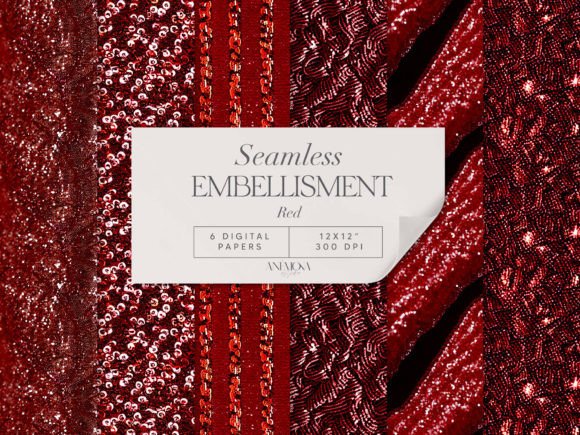
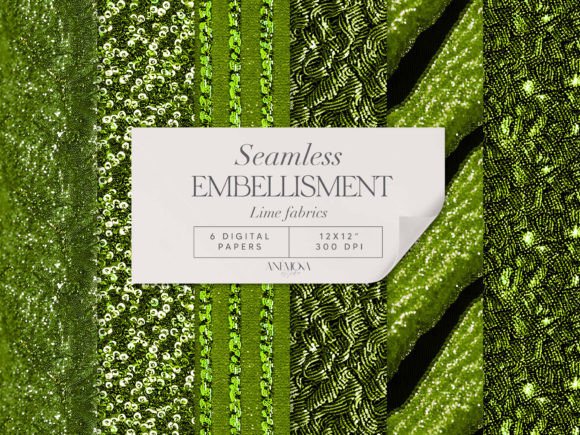
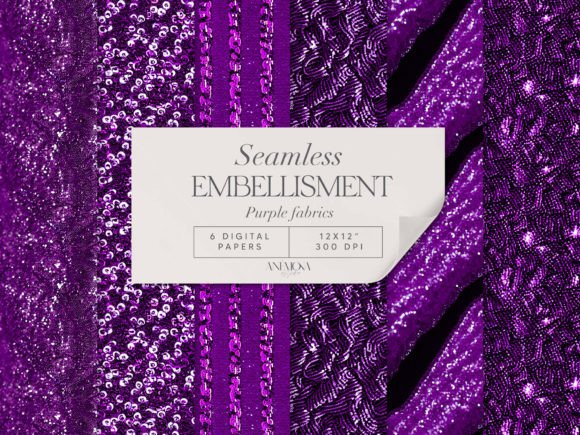
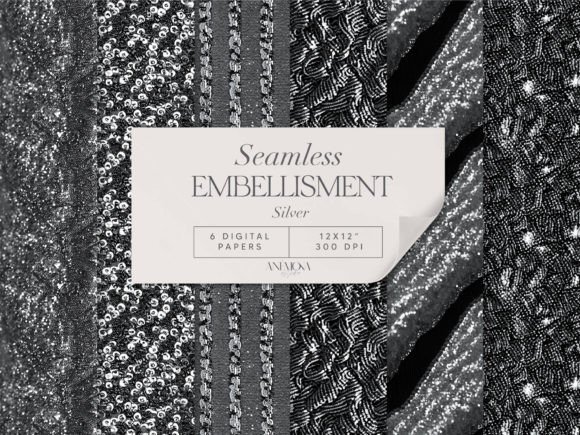
The moment I saw the seamless tile at full resolution—3600 pixels wide, 300 dpi—I felt that immediate holiday instinct kick in. The Silver Embroidery Sequin Fabric Paper doesn’t scream. It whispers a frosted, metallic shimmer that reads as both celebratory and calm. The detail level mimics a high-end embroidered sequin fabric, with tiny reflective dots and an almost stitched-looking texture. This isn’t a generic glitter overlay; it carries a believable fabric hand, which is crucial when I’m trying to signal quality to a customer who can’t yet touch the finished product. Emotionally, it lands somewhere between cozy winter elegance and New Year’s Eve sparkle. For a small shop product lineup, this paper instantly elevates the perceived value of any item it touches.
Where This Digital Paper Shines for Holiday Sellers
I immediately started dropping the Silver Embroidery Sequin Fabric Paper into my seasonal mockup templates. The results gave me a clear roadmap for how to use it across a real selling season.
- Etsy listing photography backgrounds: A single tile behind a flat-lay of embroidered ornaments or a pillow cover adds a rich, textile-like depth that flat white backdrops can’t match.
- Printable promotional graphics: I designed a few social media posts using the paper as a subtle border for discount announcements. The silver tone kept the text readable while making the post feel instantly festive.
- Product mockups: For a tote bag design or sweatshirt embroidery preview, I’ve layered the paper under a semi-transparent garment mockup. It gives the illusion of fabric texture without distracting from the stitch details.
- Gift bundles and packaging: Printed on cardstock, this paper becomes a beautiful insert for tissue-wrapped handmade gift sets. It reinforces the “luxury” feeling before a customer even sees the embroidery.
In craft fair displays, I’ve used printed sheets of the paper as table runners or backdrop panels. The silver catches warm booth lighting and draws people toward embroidered patch displays or kitchen towel embroidery sets. It’s a quiet salesperson that works without being pushy.
How It Impacts Seasonal Buyer Emotion and Trust
During the holiday rush, buyers make split-second decisions based on emotional resonance. A machine embroidery design listed with a thoughtful, seasonally appropriate background feels more giftable. The Silver Embroidery Sequin Fabric Paper helps me create that feeling. When I preview a personalized gift like a monogrammed stocking or a baby blanket on a shimmering silver backdrop, the customer can imagine the item under a tree or by a fireplace. The paper acts as a visual shorthand for celebration, and that builds trust. It signals that I, as a designer, understand the occasion and have put care into every presentation detail.
I’ve noticed that my Etsy listings using this paper as a secondary image tend to get longer view times. The silver texture makes the photos feel less sterile and more like a lifestyle magazine spread. For brand consistency, I’ve started using the same paper across all my winter collection previews, so returning customers recognize the style immediately.
Practical Designer Notes for Real Production
Even though this is a digital paper, I treat it as part of my production pipeline. The way I apply it to mockups directly influences how I plan my embroidery file stitch-outs. Here’s what I’ve learned through testing.
Thread and Fabric Matching
When I use the Silver Embroidery Sequin Fabric Paper as a mockup background for a garment, I always check how my planned thread colors will read against that silver value. On light fabric, a bright white or icy blue thread can wash out, so I use the paper to preview contrast. I’ll often place a screenshot of my digitized design over the paper and then adjust my thread palette in the software. For dark fabrics, the silver paper helps me visualize how metallic threads will pop—something I’ve found invaluable for holiday embroidery on navy or charcoal sweatshirts.
Stitch Density and Detail Review
Before I commit to a final stitch density on an ornament or pillow cover, I’ll mock up the design at full scale using the paper as a texture reference. If the sequin pattern on the paper looks too busy behind a dense fill stitch, I know my real embroidery might need slight underlay adjustments or a simpler background. The paper’s intricate detail forces me to double-check that my own stitched elements won’t get lost.
Hoop Size and Stabilizer Planning
I don’t use the paper to guess hoop size, but I do use it to create realistic scene compositions. For example, if I’m planning a set of three kitchen towel embroidery designs for a gift bundle, I’ll lay out the towels digitally over the silver paper and check how the overall composition works. That helps me decide whether to offer a single large embroidery file or a trio of smaller ones. I also remind myself to always confirm hoop size and stabilizer requirements with real stitch-outs—never from the paper alone.
Where to Use Caution: Limitations and Smart Boundaries
As much as I love this asset, there are places where I’d be careful. The Silver Embroidery Sequin Fabric Paper is a high-resolution graphic, not an actual embroidery file. That means I never use it to simulate stitch direction or to predict how a design will sew on stretchy garments or thick towels. Small lettering, for instance, might look crisp on the paper but could distort in real stitching. I always run a separate sew-out on the intended fabric before committing to a customer order.
I also avoid using the paper as the sole image for a product listing if the texture might mislead a buyer into thinking the finished embroidery contains actual sequins. Transparency matters. I’ll add a note or a second photo showing the real stitched item on plain fabric. That way, the paper enhances the mood without creating false expectations about the commercial embroidery product.
Seasonal Product Ideas Inspired by the Paper
After sitting with the Silver Embroidery Sequin Fabric Paper for a few weeks, I built a mental list of product categories where it could directly influence my seasonal offerings.
- Winter wedding accessories: Ring bearer pillows, embroidered handkerchiefs, and bridal party gifts photographed on the silver paper to echo the frosty elegance.
- Holiday table linens: Napkin sets and placemats. The paper helps me visualize how a metallic embroidery thread on linen will look against a silver charger plate background.
- Baby’s first Christmas items: A soft silver texture behind a tiny embroidered onesie or bib feels tender and premium without being overly gendered.
- New Year’s Eve apparel: Mockups for a sweatshirt embroidery design with a “Cheers” motif, using the paper as the party backdrop.
- Limited edition patches: The paper’s sequin feel makes a perfect visual companion for sparkly iron-on patches that I’d sell in small batches.
In every case, the paper helps me think about the final product as a complete gift, not just a sewn item. That shift in perspective increases my average order value because I start building sets and presentation bundles.
Commercial Use and Licensing Considerations
The product description doesn’t explicitly state the commercial license terms, so I always advise checking with Anemona Estudio before using the Silver Embroidery Sequin Fabric Paper on items for sale. If you plan to print the paper onto physical goods—like tags, packaging, or fabric transfers—verify that the license allows it. For digital use in mockups and social media, typical digital paper licenses are usually permissive, but I never assume. A quick message to the shop can save you from a holiday-season headache.
Final Thoughts from a Working Embroidery Designer
This isn’t a tool that lives in my embroidery software. It lives in my marketing folder, my mockup library, and my seasonal planning toolkit. The Silver Embroidery Sequin Fabric Paper has become a quiet thread that ties my winter collection together visually. It helps me present my machine embroidery design work with a cohesive, upscale feel that resonates with holiday shoppers. For Etsy seller life, craft fair prep, and social media engagement, it’s a small investment that punches far above its weight. I’ll keep it in my permanent rotation for every frosty, celebratory, and gift-focused season to come.