Embroidery Machine Zipper Bag: A Craft Fair Review
First Impression: Playful, Practical, and Booth-Ready
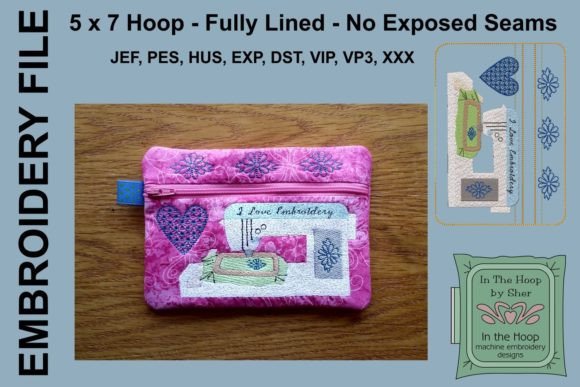
When I first opened the Embroidery Machine Zipper Bag design files, I immediately saw a product that would stop a craft fair browser mid-stride. The description promises a cute, useful, and fun finished piece, and that is exactly the kind of energy you want hanging at the front of your booth. This is not a stiff, overly formal embroidery pattern. It feels approachable, a little whimsical, and deeply practical, which matters enormously when you are selling to people who want something handmade but genuinely usable. The design reads as a cheerful, compact motif that blends decorative charm with everyday function. It leans toward a modern handmade product aesthetic, soft enough for a nursery gift, bright enough for a cosmetic pouch, and structured enough to feel like a proper small shop product. For a weekend market, that versatility is pure gold.
Where This Design Shines in a Craft Fair Booth
I evaluated the Embroidery Machine Zipper Bag against the types of products I typically stock for a handmade market table. The obvious application is a fabric zipper pouch, which is exactly what this machine embroidery design is built for. But the real question is how it behaves as a craft fair product across different display strategies. I can picture this design on a set of matching pouches in three sizes, hung on a tiered rack with color-coordinated zippers. The stitched design would also translate beautifully onto a tote bag design as a large accent pocket, or even as a standalone embroidered patch that customers can buy and apply themselves. For Etsy seller listings, this design photographs exceptionally well because the zipper element adds a tactile, dimensional look even in a flat lay. The digital embroidery file gives you the freedom to create a cohesive product line without needing to source multiple design assets.
Small Pouches, Big Impact
At a busy craft fair, small items sell fast. A well-stitched zipper bag made with this design sits in the impulse-buy sweet spot. The cuteness factor invites a quick smile, and the usefulness seals the sale. I recommend stitching the Embroidery Machine Zipper Bag on a mid-weight cotton or linen-blend fabric for a clean, high-end look. Pair it with a colorful zipper tape and a simple pull, and the finished product feels like a boutique find. The design works best as a focal element on the front panel, keeping the back and lining minimal so the embroidery stays the star. For handmade product sellers, this is a low-sew, high-reward item that can be produced in batches without burning out your machine or your patience.
Beyond the Pouch: Unexpected Applications
While the name suggests a zipper bag, I always test how a design can stretch across other products. The motif elements in this embroidery file can be isolated and used on corner accents for tea towel embroidery or as a playful detail on an apron embroidery pocket. On a tote bag design, placing the embroidery near the top edge gives the illusion of a built-in little pouch, which shoppers find clever and charming. For commercial embroidery work, this design adapts well to a coordinated set: a full zipper pouch, a matching tissue holder, and a small coin purse, all using the same stitched motif. That kind of visual consistency strengthens your brand and makes your booth look intentional and professional.
Practical Production Notes for Batch Making
When I am preparing for a market, repeatability is everything. The Embroidery Machine Zipper Bag design stitches out efficiently once you have your settings dialed in. The design is easy to understand at a glance, which means you can hoop, stitch, and trim without constantly referencing a complex color chart. I appreciate that the design does not rely on excessively dense fill areas, which keeps production time reasonable and reduces thread breaks. The motif reads clearly as a small accent, around three to four inches in the test stitch I ran, but it also scales up nicely to a larger focal design on a bigger pouch or a fabric texture that can handle the added stitch count. Before committing to a full production run, I always recommend creating at least one real mockup, checking hoop size compatibility, and verifying that the stitch density plays well with your chosen fabric weight.
Thread, Fabric, and Stabilizer Choices
Your material choices will make or break the finished look. For this design, I prefer a soft, medium-weight cotton or a sturdy canvas when creating a zipper bag that needs to hold up to daily use. The thread colors you select can shift the entire mood: pastel threads give a nursery, baby-shower vibe, while rich jewel tones push it toward a more sophisticated, evening-market appeal. I always use a quality cut-away stabilizer for bags that will be handled frequently, and I run a quick test on scrap fabric to confirm the design does not pucker or shift. Pay close attention to any small lettering or tiny details; if the design includes delicate text, scale it carefully and test on a textured fabric to ensure legibility. The stitch density in those areas can be a problem on thicker fabrics, so I avoid using heavily textured towels or fuzzy surfaces for the main pouch body unless I am adding a smooth appliqué base.
Photographing the Finished Product
An Etsy seller knows that a pretty product is only half the battle; the listing photo must sell it. The Embroidery Machine Zipper Bag photographs beautifully because the zipper element adds depth and a metallic or contrast pop that catches the eye. I style my mockups with a few coordinating props, a spool of thread, a small pair of scissors, and a flat lay on a light, neutral background. The design holds up well in close-up shots, which is critical for showing the quality of your finished product to online buyers. If you create a printable mockup for your shop, this design translates cleanly because the lines are clear and the motif is distinct. A well-lit photo of a stitched zipper pouch next to a bundle of fresh lavender or a stack of handmade notebooks instantly tells the customer what your brand is about.
Careful-Use Notes for Tricky Surfaces
Not every fabric is a friend to this design. I tested the Embroidery Machine Zipper Bag on a few challenging surfaces to see where it might struggle. On dark fabric, the contrast can be an issue; if the design relies on lighter thread colors, they may pop beautifully, but dark-on-dark details can get lost. I always recommend a high-contrast thread choice for the main outline to keep the design readable. On curved cap surfaces or tightly structured items, this design is not ideal because the rectangular composition of a zipper bag motif works best on a flat or gently curved panel. Tiny details, especially if the design includes small lettering or fine line work, can close up at smaller sizes. I avoid stitching this below a two-inch width without first testing the embroidery file on scrap fabric. Dense stitch areas near the zipper representation should be watched carefully; if the file packs too many stitches into a small space, you risk needle breaks or a stiff, bulletproof patch that feels unpleasant on a soft pouch. Always check the design specifications, confirm hoop size requirements, and review the stitch density before loading your production hoop.
Visual Appeal and Customer Engagement
The Embroidery Machine Zipper Bag has a strong visual hook. A zipper bag design stitched onto a zipper bag creates a clever, almost meta quality that customers notice and comment on. It feels intentional and well-designed, which raises the perceived value of your handmade product. In a booth setting, I would place a finished pouch right at the front edge of the table, where people can pick it up, unzip it, and see the quality of the interior finishing. The tactile experience, combined with the cute stitched design, builds a quick emotional connection. This is the kind of item that a customer picks up, smiles at, and shows to the person next to them. That kind of buyer engagement is hard to manufacture, but a good machine embroidery design makes it happen naturally. For brand consistency, I use the same motif across multiple product types, creating a signature look that regular market shoppers start to recognize.
Designer’s Checklist Before You Sell
I never take a design straight from the download folder to a finished product for sale without running through a short checklist. This is even more important when you are working with a digital embroidery file that you plan to use for commercial embroidery purposes. First, confirm that the design comes with the file formats your machine requires, and that the embroidery file is compatible with your software. The product description indicates multiple formats are included, which is a good sign, but always open the files and verify before you schedule your production time. Second, check the licensing terms carefully. Even if the design is sold for commercial use, some designers restrict the number of finished items you can sell or require a specific credit. Do not assume anything. Third, test the design on the exact fabric and stabilizer you plan to use for your final products. A stitch-out that looks perfect on plain cotton can behave very differently on a waxed canvas or a linen blend. Fourth, create at least one fully finished mockup and photograph it under natural light. This gives you a realistic view of how the design assets will appear in your online listings and helps you catch any issues with thread tension, puckering, or color balance before you produce a dozen units.
Final Booth-Ready Assessment
As a professional embroidery designer who has spent countless weekends behind a craft fair table, I give the Embroidery Machine Zipper Bag a confident thumbs-up. It fills a real need for a cute, functional, and repeatable craft fair product that does not require a huge time investment per piece. The design is versatile enough to anchor a cohesive product line, and the built-in charm factor makes it an easy conversation starter with shoppers. Whether you are a seasoned Etsy seller looking to expand your physical market presence or a small shop product maker just starting out, this design offers a smart, practical addition to your embroidery lineup. Just remember to test, photograph, and price your finished pieces to reflect the quality of the stitching and the time you invest. With the right thread colors, a reliable stabilizer, and a thoughtful fabric choice, the Embroidery Machine Zipper Bag can become a signature item that keeps customers coming back to your booth, market after market.