Wings Angel Embroidery: A Designer’s Review for Brand Merch
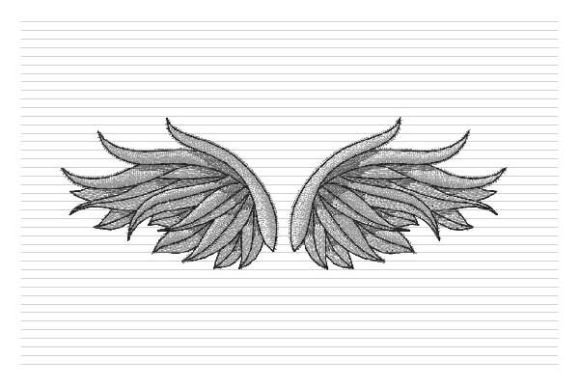
When a small business owner reaches out to me with a design idea, I always look for that perfect blend of symbolism and visual punch. The Wings Angel Embroidery design stopped me mid-scroll. It’s one of those Shapes that instantly triggers an emotional response. The description says it captures the ethereal and celestial beauty of angelic wings, and honestly, the central illustration does exactly that. From a designer’s perspective, this isn’t just a decorative motif—it’s a branding asset waiting to be stitched onto aprons, caps, tote bags, and patches. The first impression is elegant, slightly classic, and deeply symbolic. If you run a café, boutique, bakery, floral studio, or even a pet brand, this design could easily become your signature mark.
But let’s talk brass tacks. Before you load this machine embroidery design onto your hoop, you need to know whether it holds up under real commercial use. I’ve been testing and reviewing embroidery files for years, and I always evaluate them through the lens of a business owner who needs consistent, professional results. The Wings Angel Embroidery design feels premium and gentle, but it also carries a subtle strength. The wings are gracefully shaped, and the layout suggests it was built with balance in mind. That’s crucial when you’re planning to place it on uneven surfaces like cap fronts or apron bibs. The first thing I’d do is open the digital embroidery file and check the stitch angles. A well-digitized wing design will have smooth satin paths that flow along the feather lines, avoiding unnecessary trims. If that’s the case here, you’re in for a clean sew-out.
First Impressions Meet Business Reality
When I imagine this design on a uniform, I see it working beautifully as a left chest logo accent. The wings create a sense of uplift, which is exactly the kind of energy a handmade brand wants to project. The Wings Angel Embroidery is not overly bold or aggressive, so it won’t scream for attention. Instead, it whispers quality and care. For a florist, it could nestle next to the shop name on a denim apron. For a creative studio, it could sit on the back of a canvas tote bag, subtle but unmistakable. The shape itself is clean—no tiny isolated details that usually turn into embroidery nightmares. That’s a huge plus.
However, the “celestial beauty” description hints at possible delicate linework or soft fading effects. In machine embroidery, super fine details can get lost if the stitch density isn’t optimized. I always advise testing the design in black thread on white fabric first. That monochrome test reveals every flaw in spacing and underlay. If the Wings Angel Embroidery passes that test, you’re golden. If it relies on multiple thread colors to look good, you’ll need to be extra careful with contrast on dark uniforms. Nothing ruins a brand’s image faster than a wing that looks like a blob on a navy polo.
Where This Design Shines in Small Business Merch
Let’s map out the real-world applications. I’ve seen businesses transform their merchandise with a single, well-chosen motif. For a bakery, the Wings Angel Embroidery could become a beloved patch stitched onto canvas bread bags or custom aprons. For a pet brand, it might symbolize a departed pet’s guardian angel, turning a simple bandana into a keepsake. Here are a few spots where this design would perform exceptionally well:
- Embroidered patch: The wing shape is self-contained, making it ideal for a standalone patch with a smooth border. You can sell patches as add-ons or use them on caps, jackets, and bags.
- Apron embroidery: Placed on the bib or just below the neckline, it adds a touch of grace without overwhelming the apron’s function.
- Cap embroidery: On a dad hat or a structured cap, the wing could sit on the side panel or front crown. Its curved lines might follow the cap’s natural shape, which is a stylish choice.
- Tote bag design: Centered on a tote, this design becomes a walking advertisement. It’s elegant enough to appeal to a wide audience, from book lovers to spiritual seekers.
- Packaging accents: Stitch it onto fabric pouches, gift wraps, or product sleeves. It elevates the unboxing experience instantly.
- Etsy branding: If you sell digital embroidery files or handmade goods, stitching this onto your own packaging or listing photos builds a consistent, recognizable brand identity.
In every case, the Wings Angel Embroidery design brings a sense of calm and care. It’s not aggressive; it’s nurturing. That’s a valuable emotional hook for businesses that want to build trust and customer loyalty.
When to Use Caution: Patch Sizes, Curves, and Dark Fabrics
As much as I love this design, I’m going to be brutally honest about the pitfalls. No design is perfect for every situation, and the Wings Angel Embroidery is no exception. The symmetrical, flowing shape can look distorted if you try to shrink it too much. I often see well-meaning shop owners try to turn a 4-inch design into a 2-inch patch, and the result is a mess of dense stitches that pucker the fabric. If you’re planning to use this as a small patch—say, 1.5 to 2 inches—test it immediately. The feather details might close up, and the overall silhouette could lose its recognition. For small patch sizes, you might need to simplify the design or use a finer thread and a smaller needle.
Cap fronts are another challenge. The curved surface of a cap can warp the wing shape if the design isn’t digitized with a slight arc compensation. I’d stitch a sample on a spare cap before committing to a full run. Also, if the design includes any tiny lettering or intricate outlines, they might disappear on textured fabrics like canvas or fleece. And on dark uniforms, if the thread colors are pale and ethereal, you risk losing contrast. Always test on a swatch that matches your final garment. Likewise, frequent washing can wear down delicate satin stitches, so consider the stitch density. A well-digitized file will have enough underlay to hold up, but if the stitch count is too low, the wings might start to fray after a few cycles.
How Wings Angel Embroidery Shapes Brand Identity
Now, let’s zoom out. A single design like this can subtly shift how customers perceive your business. The Wings Angel Embroidery carries a universal symbolism of protection, spirituality, and grace. When you stitch it onto your staff uniforms or merchandise, you’re not just decorating—you’re communicating values. A boutique that uses this design on its tote bags signals that it cares about something more than just the sale. It suggests a soulful, handmade product experience. That kind of emotional branding increases customer engagement and can even justify a higher price point.
I’ve seen small businesses transform their visual identity with a single embroidery motif. A florist I worked with adopted a wing design for their delivery bags, and suddenly customers started posting those bags on social media. The design became a recognizable signature. The same could happen with the Wings Angel Embroidery. Because it’s a shape, not a full logo, it’s versatile enough to pair with your existing typography or stand alone. You can use it as a watermark on a printable mockup for your Etsy listings, or as a consistent element across all your craft business assets. The key is to use it consistently. Once it becomes part of your brand identity, customers will associate that wing silhouette with your quality and care.
Professionalism and Customer Trust
In the eyes of a buyer, embroidered details signal permanence and quality. A cheap print might crack, but a well-executed embroidered patch says “this product was made to last.” The Wings Angel Embroidery design, with its elegant lines, can elevate a simple cotton tee into a boutique item. For a handmade business, that’s gold. It builds trust instantly. When someone sees that wing on a staff apron, they know the business pays attention to detail. That’s the kind of professionalism that turns first-time customers into regulars.
Visual Consistency Across Products
One of the smartest moves you can make is to use the same design asset across multiple products. The Wings Angel Embroidery can be stitched on caps, tote bags, work shirts, and even paper goods if you turn it into a printable mockup. But here’s a designer tip: always compare the embroidery file beside your other design assets. If you have a logo, make sure the wing style doesn’t clash. A classic, flowing wing won’t pair well with a super modern geometric logo. Keep that visual consistency in mind. When everything aligns, your brand looks polished and intentional.
Practical Embroidery Designer Notes
Before you run a batch of 50 units, let’s walk through my standard checklist. I’ve learned these steps the hard way, and they’ll save you time, money, and frustration.
- Test in black and white first. Stitch the design with black thread on white fabric. This reveals any spacing issues, skipped stitches, or density problems. If it looks sharp in monochrome, it’ll look stunning in color.
- Check small patch size. Reduce the design to 1.5 inches and stitch it. If the details blur, you’ll need to adjust for that size or stick to larger applications.
- Review thread color contrast. Hold the thread cones against your actual fabric. A pale gold might vanish on beige linen, while a deep navy might overpower the design. Choose thread colors that complement your brand palette.
- Inspect spacing and trims. Open the digital embroidery file in your software and look for extremely short stitches or tight curves that could cause thread breaks. A clean design will have smooth transitions.
- Confirm hoop size. Don’t assume the design fits your standard hoop. Measure it and add a comfortable margin for hooping. A too-small hoop will cause registration issues.
- Test on real fabric. Stitch a sample on the exact fabric blend you’ll use. A design that looks perfect on cotton twill might pucker on stretchy knit. Adjust your stabilizer accordingly.
- Use the right stabilizer. For caps, a cutaway stabilizer is a must. For lightweight tote bags, a tear-away might work. Don’t guess—test.
- Create a mockup for client approval. Even if you’re the business owner, a digital mockup on a printable mockup template helps you visualize the final product. It’s also a powerful sales tool if you’re selling custom embroidery.
- Compare beside other design assets. Place the wing design next to your logo, tagline, or other graphics. The styles should harmonize.
- Confirm commercial licensing. The product description doesn’t mention specific license terms, so before you stitch this onto items for sale, verify that the embroidery file comes with commercial use rights. If you bought it as a digital embroidery file, check the seller’s terms. Don’t assume.
I also recommend checking the stitch density. A design that’s too dense can feel stiff and scratchy, especially on a patch. The Wings Angel Embroidery should have a soft, almost fabric-like finish if it’s digitized well. If it’s rock-hard, it might not be suitable for apparel that sits against the skin.
Final Thoughts from the Hoop
The Wings Angel Embroidery design has the potential to become a cornerstone of your small business merch. It’s elegant, symbolic, and versatile. As a shape, it fits neatly into a range of branding scenarios without demanding to be the centerpiece. But like any embroidery file, its success depends on thoughtful testing and proper execution. When you treat it as a design asset that needs to earn its place on your products, you’ll get the most out of it. For a business that wants to project grace, care, and a touch of the celestial, this design is a strong candidate. Just remember: stitch it, wash it, and wear it before you commit. That’s the only way to know if it’s truly ready for your brand.