Valentine's Day Embroidery Design Banner Review
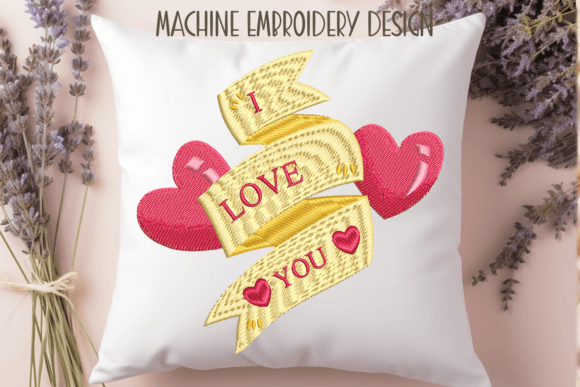
As an embroidery designer who works daily with small business owners, apparel decorators, and Etsy sellers, I'm always searching for designs that can bridge the gap between a decorative motif and a functional brand asset. The Valentine's Day Embroidery Design Banner immediately grabbed my attention. The product description promises a charming banner with a heart pattern, and the very idea of a banner shape makes it a natural for branding. I can picture it as an embroidered patch, a subtle chest logo accent, or even a delicate mark on handmade merchandise. The design feels friendly and romantic, but with the right thread colors and placement, it can also communicate a warm, approachable identity for a café, bakery, florist, or boutique. In this review, I'll walk through how this digital embroidery file performs in real business scenarios—from patches and uniforms to branded merchandise—and what you need to watch out for before you invest in it for your next commercial embroidery project.
First Impressions: Visual Personality and Branding Potential
Based on the title and description, the Valentine's Day Embroidery Design Banner carries a distinctly handmade, heartfelt character. A banner that incorporates a heart pattern isn't just a seasonal decoration; it's a versatile shape that can double as a frame for a business name or a tiny promotional message. The heart elements add a touch of softness, making it perfect for brands that want to feel personal, cozy, or affectionate. I could see a pet brand using it on a bandana, a craft business stitching it onto product labels, or a boutique adding it to gift packaging. The design seems to fall somewhere between playful and elegant, depending on how you digitize it and what thread palette you choose.
While it's listed under the Valentine's Day category, don't let that limit your thinking. A heart-in-banner motif can be adapted for year-round use by swapping thread colors or by pairing it with a custom text element. A florist, for instance, could use it on every order sleeve, not just in February. The key is to evaluate the visual personality against your brand identity. If your business is built on warmth, care, and personal connection, this design will feel like a natural extension of your visual voice.
Business Applications: Where This Design Shines
I always test a new machine embroidery design by mentally running it through a checklist of real-world placements. The Valentine's Day Embroidery Design Banner passes with flying colors for several high-value small business use cases:
- Embroidered patches. The banner shape is ideal for a standalone patch. Sew it onto jackets, tote bags, or sell it as a brand merchandise item. The heart pattern gives it enough visual interest without being too complex.
- Staff uniforms and aprons. Chest placement on a work shirt or the bib of an apron immediately adds a professional, curated touch. The banner can frame a job title or a small shop name, turning a uniform into a walking brand statement.
- Cap embroidery. While curved surfaces can be tricky, the banner's horizontal orientation often works well on the front panel of a cap if the design is digitized with proper pull compensation. Just avoid scaling it down too aggressively.
- Tote bag design. A large, centered placement on a canvas tote bag creates a high-impact handmade product look. Use it for customer gifts, retail merchandise, or event giveaways.
- Product packaging accents. Stitch the design onto fabric pouches, linen wraps, or ribbon tags. It elevates unboxing experiences and reinforces brand identity.
- Etsy branding and craft business assets. If you sell handmade goods, this design can become a signature mark on your packaging or a printable mockup for your shop listings.
In each of these scenarios, the design works as a commercial embroidery asset because it's shaped like a badge—it naturally draws the eye and can include a short word or initials. The heart pattern adds emotion without overwhelming the overall banner outline.
Critical Placement Considerations: When to Use Caution
Not every surface is forgiving, and even the most charming embroidery file can turn into a headache if placement isn't carefully considered. Here are the situations where you need to slow down and test thoroughly:
- Small patch sizes. If you shrink the design below 2 inches, the heart pattern and any internal details may close up. Stitch density becomes critical, and thin outlines can disappear.
- Cap fronts. The curved surface of a structured cap can distort a long banner if the digitizing doesn't account for the arc. Always run a sample on the actual cap type you plan to use.
- Curved surfaces and textured fabrics. On puffy vests, fleece, or heavily textured weaves, the banner's clean edges might get lost. A heavy stabilizer and a topper may be necessary to keep the design crisp.
- Dark uniforms. If the design uses light-colored thread for the banner, check contrast on dark garments. A thin white outline around the heart shapes can bleed visually on deep navy or black. Test with your chosen thread colors under real lighting.
- Items that need frequent washing. High stitch density in the heart areas can stiffen fabric. On work shirts that go through industrial laundry, the design might not hold its shape unless you digitize with reduced density and use a quality backing.
For any of these cases, I recommend creating a quick sew-out on the exact fabric you'll use for the finished product. What looks perfect on a digital screen can behave differently once needle meets fabric.
How This Design Strengthens Your Brand Identity
When you consistently use a well-executed embroidery design on your small business merch, you're building more than just a product—you're building recognition and trust. The Valentine's Day Embroidery Design Banner can become a visual anchor for your brand. If customers see it on your staff aprons, your packaging, and your online product mockups, they start to associate that shape and that heart pattern with the quality and care your business represents.
For handmade brands, this design adds a layer of professionalism. A tote bag with a beautifully stitched banner feels more valuable than a plain one. An apron with a custom embroidered patch signals that you've invested in the details. Even if you never say a word, the embroidery communicates that your brand is thoughtful and deliberate. Over time, that visual consistency helps you stand out in a crowded market, whether you're selling at a craft fair or shipping orders across the country.
I also appreciate that the banner shape leaves room for personalization. If the digital embroidery file allows it, you can add a short business name, a tagline, or even a tiny date. If not, you can stitch the banner as a base and then overlay a separate lettering design. This flexibility means you can adapt the design for different product lines or seasonal campaigns without losing the core branded look.
Practical Designer Notes: What to Test Before Production
As with any embroidery file you plan to use for commercial purposes, a few technical checks are non-negotiable. The product description for Valentine's Day Embroidery Design Banner doesn't specify exact stitch counts, file formats, or license terms, so you'll need to verify those details before ordering. Here's my step-by-step checklist before you commit to a full production run:
- Test the design in black and white first. A single-color sew-out reveals any registration issues, uneven density, or awkward trims that might be hidden by multiple colors.
- Check how it reads at small patch size. Reduce the design to the smallest size you intend to use and stitch it on a scrap of the actual fabric. If the heart pattern blurs into a blob, you need to adjust the scaling or request a simplified version from the digitizer.
- Review thread color contrast. The banner outline and the heart fill must have enough contrast to be readable from a few feet away. A pastel pink on off-white can look muddy. Test at least two color combinations.
- Inspect lettering spacing if you add text. If you plan to combine the banner with a business name, make sure the curves of the banner don't force letters into awkward angles. Sometimes a straight text baseline works better.
- Confirm the hoop size. Measure the design's dimensions and ensure your most-used hoop can accommodate it with a comfortable margin. Remember that the banner shape may be wider than it is tall, so a 4x4 hoop might not fit if the design is 4.5 inches wide.
- Test on real fabric. Don't rely on a test on cotton muslin alone. Stitch it on the exact canvas, denim, or performance fabric you'll use for the finished product. Note how the fabric texture interacts with the stitch density.
- Use the proper stabilizer. For tote bags, a sturdy cut-away stabilizer is a must. For caps, you'll need a cap hoop and a tear-away or water-soluble topping. For aprons, a medium-weight cut-away usually works. Don't skimp on backing.
- Create a mockup for client approval. Before you stitch the final piece, prepare a digital printable mockup showing the design on the intended product. This helps manage expectations and gives you a chance to spot any proportion issues.
- Compare it beside other design assets. If you already use a logo or other embroidery files, place the banner next to them physically or digitally. Check that they feel like part of the same family. Consistency is key for brand identity.
- Confirm commercial licensing. Since the description doesn't explicitly state the terms, reach out to the seller and ask if the design is cleared for commercial use on items you sell. Never assume. A quick email can save you legal trouble later.
Making the Design Work for Your Unique Business
One of the best parts of working with a banner-shaped digital embroidery file is how easily it can be customized. If the file includes editable text or you have the digitizing skills to modify it, you can replace the generic heart pattern with a small icon that represents your business. A bakery could add a tiny croissant inside the banner, while a pet brand might swap one heart for a paw print. Even without editing the file, you can stitch the banner in your brand colors and add a separate wordmark underneath it. The result is a cohesive design that still feels entirely yours.
For seasonal promotions, the Valentine's Day Embroidery Design Banner is a natural fit. A florist can use it on delivery aprons during February, a boutique on gift tags, or a coffee shop on limited-edition merchandise. After the holiday, you can retire the design or keep it in rotation with a new color story. The key is to treat it as a flexible design asset, not a one-time decoration.
Final Thoughts from a Production Perspective
After evaluating the Valentine's Day Embroidery Design Banner from every angle, I believe it's a strong candidate for small business owners who want to add a touch of warmth and personality to their merchandise. The banner shape is practical, the heart pattern is universally appealing, and the design can be scaled to fit patches, caps, aprons, and tote bags with relative ease—provided you test carefully. Its real power lies in how it can elevate brand identity and transform a plain garment into a memorable, professional finished product.
However, no digital embroidery file is a one-size-fits-all solution. Before you invest, verify the technical details: stitch count, file formats, hoop requirements, and commercial licensing. Do a sew-out on the exact materials you'll use. And don't be afraid to tweak the thread colors or positioning to better align with your brand. With a thoughtful approach, this charming banner design can become a quiet but effective ambassador for your business, stitching a little love into every product you sell.