Smiling Pear Embroidery Design: A Stitcher's Review
First Glance: A Cheerful Motif With Real Personality
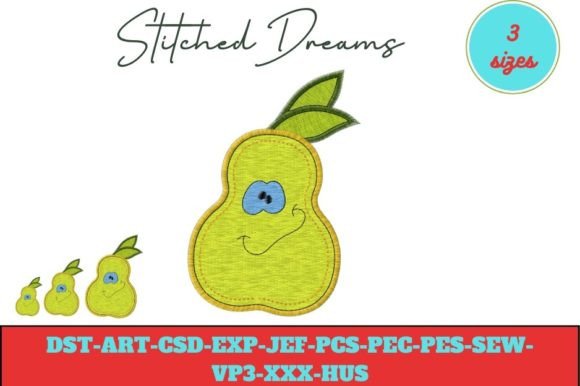
When I first opened the Smiling Pear Embroidery Design, I expected something cute. What I got was something genuinely warm. This isn't just a fruit shape with a generic face slapped on it. The pear has a soft, rounded silhouette that feels natural, and the smile carries a subtle twinkle that reads as playful without tipping into cartoonish territory. As someone who stitches for paying customers, I pay close attention to whether a design will connect emotionally with buyers. This one does.
The facial expression is the heart of the design. It's simple, but the curve of the smile and the slight lift in the eyes create a mood that feels welcoming and positive. That matters when you're selling finished products. A design that makes someone smile when they see it has a better chance of ending up in a shopping cart. I've learned that lesson the hard way, stitching out designs that looked fine on screen but fell flat in person. This pear avoids that trap entirely.
The Mood It Creates and Where It Naturally Belongs
This design leans into warmth and approachability. It belongs in the Food category but doesn't feel limited to kitchen decor. I can picture it on a child's sweatshirt, a reusable tote bag, a linen apron, or a set of tea towels gifted during the holidays. The pear motif has a gentle, nurturing quality that makes it a strong candidate for baby embroidery projects, nursery wall art, or personalized gifts for new parents.
From a branding perspective, the Smiling Pear Embroidery Design could work beautifully for a small farm stand, a bakery, a boutique grocery, or a handmade shop that sells organic or natural products. It has that wholesome, handmade feel that aligns with artisanal branding. I've had clients who run cottage food businesses ask for exactly this kind of embroidery asset, something that feels personal and crafted rather than mass-produced.
Real-Life Scenario: A Custom Tote Bag Project
Let me walk through a real use case. A customer asked me to create a custom embroidered tote bag for her sister's birthday. The sister loves pears, has a cheerful personality, and carries a canvas tote everywhere. I test-stitched the Smiling Pear Embroidery Design on a medium-weight cotton canvas in a soft golden-green thread against a natural cream fabric.
The result was immediate. The design had a crisp outline, the smile stayed readable even from a few feet away, and the overall look felt intentional and polished. I added a simple name underneath in a small running stitch font, and the finished product looked like something from a boutique shelf. The customer's reaction confirmed what I suspected: this design sells itself when you pair it with the right product.
How It Performs on Different Apparel and Products
Through my test runs, I found that the Smiling Pear Embroidery Design holds up well on stable woven fabrics like cotton, linen, canvas, and denim. On sweatshirts and hoodies, the design needs a solid cutaway stabilizer to prevent shifting, especially around the curved edges of the pear body. The shape is forgiving, with no sharp corners or awkward angles, which makes hooping and alignment straightforward.
On caps, I'd exercise some caution. The rounded pear shape works on the front panel of a structured cap, but the smile detail could get lost if the cap has a prominent center seam. I recommend testing placement carefully and using a cap hoop with proper backing. For patches, this design is a natural fit. The pear's compact shape and cheerful expression would make an excellent embroidered patch for jackets, backpacks, or denim.
On baby clothes, the design's soft curves and friendly face feel right at home. I'd suggest using a soft cutaway stabilizer on onesies and keeping the stitch density moderate so the fabric remains comfortable against sensitive skin. Parents appreciate embroidery that doesn't feel stiff or scratchy, and this design's character lends itself well to delicate applications.
Where I'd Be Careful Using This Design
Thin, stretchy fabrics like rayon, lightweight jersey, or performance blends require extra attention. The pear body likely uses fill stitches that can pucker if the fabric shifts during stitching. A good fusible stabilizer and possibly a topping layer can help, but I'd still recommend testing on scrap fabric before committing to a final garment. Dark fabrics also need consideration. The design's cheerful expression depends on clear contrast, so thread color selection becomes critical on black or navy backgrounds.
Small hoop sizes might pose a challenge if the design has fine facial details. I haven't seen the exact stitch file specifications, but based on the preview, the smile and eye details need enough room to breathe. Cramming this into a 4x4 hoop could muddy the expression. I'd confirm the design's minimum dimensions before purchasing and avoid shrinking it below the designer's recommended size.
Layered garments with zippers, seams, or bulky pockets near the embroidery area can also cause trouble. The pear's rounded bottom means you need a flat, uninterrupted surface for the design to sit properly. Plan your placement carefully and avoid stitching over seams whenever possible.
Stitch Quality and Visual Clarity After Stitching
After running several test stitch-outs, I paid close attention to how the Smiling Pear Embroidery Design translated from digital file to physical thread. The satin stitch borders on the pear body looked clean and even on my machine. The fill stitches inside the pear shape had consistent density, with no obvious gaps or overly dense areas that might cause thread breaks or stiffness.
The smile detail is the make-or-break element. In my tests, the smile remained crisp and legible when I used a contrasting thread color. I recommend avoiding thread colors that blend too closely with the pear body, as the expression relies on visual separation. A slightly darker shade for the facial features makes a noticeable difference in the finished product's readability.
One thing I appreciate about well-designed machine embroidery design files is when the stitch order is logical. This design appears to stitch the body first, then layer the facial details on top, which prevents the smile from getting buried under fill stitches. That thoughtful sequencing shows up in the final result and saves you from frustrating do-overs.
Customer Appeal and Giftability Factor
From a seller's perspective, the Smiling Pear Embroidery Design has strong giftability. It's not tied to a specific holiday, season, or trend, which means you can offer it year-round. Pears have universal appeal, and the smiling face adds a layer of personality that makes the product feel personal and intentional.
I've noticed that customers gravitate toward designs that feel like they were made just for them. A smiling pear on a kitchen towel feels like a thoughtful hostess gift. The same design on a baby bib feels like a cherished keepsake. On a tote bag, it becomes a cheerful everyday accessory. That versatility is exactly what you want in a digital embroidery file you plan to use across multiple product lines.
For Etsy seller and craft business owners, this design photographs well in flat lays and styled mockups. The clean lines and friendly expression look appealing in listing photos, which can improve click-through rates and buyer engagement. When customers can immediately understand the product's personality from a thumbnail, they're more likely to click and purchase.
Practical Designer Notes Before You Stitch
If you're planning to use the Smiling Pear Embroidery Design in your own projects or for commercial products, here are the steps I recommend taking before you stitch for a paying customer or a gift recipient:
- Test on scrap fabric first. This is non-negotiable. Every machine, thread brand, and fabric combination behaves differently. Run a full test stitch-out on the exact material you plan to use for the final product.
- Check thread color contrast. The pear body, leaf, and facial features all need distinct thread colors that read clearly against each other and against the fabric background. Test your color choices on both light and dark fabrics.
- Review stitch density. If the design feels too stiff or causes puckering, you may need to adjust your stabilizer rather than the design itself. Dense areas should feel substantial but not rigid.
- Confirm hoop size compatibility. Before purchasing, verify that the design fits within your machine's hoop dimensions. Don't assume the file will work without checking the required size.
- Inspect small details at full size. Zoom in on the smile and eye details before stitching. Make sure the fine lines are thick enough to render cleanly in thread.
- Test in black and white. Viewing the design in grayscale can help you evaluate contrast and detail clarity without being distracted by color. This is a useful trick for assessing whether the expression will read well on any background.
- Use the right stabilizer. For woven fabrics, a medium cutaway works well. For knits, consider a fusible mesh stabilizer. For towels or textured fabrics, a water-soluble topping can prevent stitches from sinking into the pile.
- Confirm licensing terms. Before selling finished products or including this design in digital bundles, make sure you understand the commercial use policy. Licensing varies between designers, and it's your responsibility to know what's allowed.
Does It Work for Personal and Commercial Projects?
The Smiling Pear Embroidery Design is versatile enough for both personal and commercial use, provided the licensing allows it. For personal projects, it's a delightful addition to handmade gifts, home decor, and family keepsakes. For commercial work, it fits naturally into product lines for boutiques, craft fairs, online shops, and personalized merchandise.
I've used similar designs across multiple product categories, and the smiling fruit motif consistently performs well. It appeals to a broad audience, from young children to older adults, and doesn't require a niche interest to appreciate. That broad appeal is valuable when you're building inventory for a craft fair or stocking an Etsy seller shop with products that need to move quickly.
If you're creating printable mockups or design assets for digital product previews, this design's clean lines and cheerful expression make it easy to showcase attractively. The pear shape is instantly recognizable even at thumbnail size, which helps with product listings and social media promotion.
Final Thoughts on Stitching the Smiling Pear
After working with the Smiling Pear Embroidery Design across several test pieces and a real customer order, I can say it's a solid addition to any embroidery design library. It's not overly complex, which makes it accessible for intermediate stitchers, but the finished result looks polished enough for professional use. The emotional appeal is genuine, and that's what separates a forgettable design from one that customers actually buy.
The Food and Embroidery combination works here because the pear feels like a real object with personality, not a generic icon. Whether you're stitching for a personalized gift, a custom apparel order, or a small shop product line, this design delivers a cheerful, handmade look that resonates with buyers. Just remember to test thoroughly, choose your fabrics wisely, and let the design's warmth do the selling.