Quilt Block Embroidery for Boutique Apparel
I’m in the middle of planning a fresh sweatshirt and hoodie collection for my small online boutique, and I’ve been digging through Creative Fabrica embroidery files looking for something that adds charm without overpowering a garment. The Quilt Block Embroidery design caught my eye immediately. It’s listed under the House category and tagged as an Embroidery type, but I immediately saw its potential far beyond pillowcases and framed art. For anyone building a cozy, handmade-inspired apparel line, this machine embroidery design could become a quiet workhorse. Here’s how I’m evaluating it from a real production and design point of view.
First Impressions and the Stitching Mood
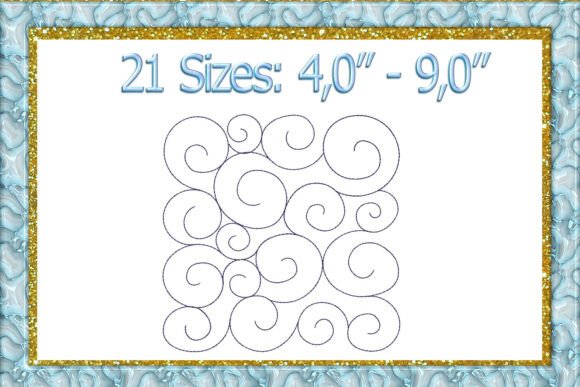
Opening the product page, the visual of the Quilt Block Embroidery radiates a traditional, almost nostalgic energy. It’s not trying to be a sleek modern logo or a loud graphic. Instead, it reads as a carefully assembled patchwork motif—geometric, balanced, and deeply rooted in quilting patterns. The personality feels rustic yet feminine, with a touch of playful handmade charm. I can instantly picture it on a soft pastel hoodie or a creamy oatmeal sweatshirt. The detail level appears moderate, with enough stitch definition to create texture without being excessively dense. It’s the kind of design that whispers “handcrafted” rather than shouting it, which is exactly what I want for a boutique brand that values subtlety. The decorative strength is gentle but present; it catches the eye through pattern repetition and symmetry, not through size or boldness. In my mind, it’s a perfect blend of classic and cozy.
Why a Quilt Design Works on Sweatshirts and Hoodies
At first, you might think a quilt block belongs on a quilt, not a garment. But I’ve learned that some of the best sweatshirt embroidery designs borrow from traditional textile crafts. The Quilt Block Embroidery brings a sense of comfort and heritage that instantly elevates a simple hoodie. When I look at this digital embroidery file, I’m already planning how it will sit on a neutral sweatshirt. The geometric lines feel organized, almost like a crest, which makes chest placement extremely natural. For a custom apparel collection, this kind of visual continuity can tie a whole line together. I’m not just stitching a pretty picture; I’m adding a signature that speaks to the buyer who loves slow fashion, cottagecore aesthetics, or simply wants to wear something that feels personal. The design’s quilt-block structure also hints at warmth, making it ideal for fall and winter boutique merchandise.
Placement Possibilities on Apparel
When I test a new Creative Fabrica embroidery design, I always run through every placement scenario. Here’s how I’m thinking about the Quilt Block Embroidery on different garments and accessories:
- Sweatshirt chest placement – This is my go-to. A centered or slightly left-chest position on a crewneck gives the block a vintage varsity feel. On pastel shades, it feels sweet; on dark apparel like charcoal or navy, it pops with the right thread color contrast.
- Hoodie chest and sleeve accents – A smaller version of the design could work beautifully on the front pouch pocket or as a sleeve accent. I’d test scaling it down to about 60% to see if the stitch density holds on ribbed cuffs.
- Back design – For an oversized hoodie, a larger rendition of the quilt block on the upper back could be stunning. I’d pair it with the brand name underneath using a delicate satin stitch. This turns a basic hoodie into a statement piece.
- T-shirt embroidery – A lightweight jersey tee with a small chest placement feels effortlessly vintage. Because the design is geometric, it won’t warp too much on a lighter fabric if I use the proper stabilizer.
- Denim jacket panels – I’m picturing the quilt block embroidered on the upper back yoke or on a pocket. The contrast between the sturdy denim and the intricate stitching would look incredible in lifestyle product photos.
- Tote bags – Even though the product description mentions home decor, I can’t ignore tote bags. A canvas tote with this embroidery becomes a matching accessory for a sweatshirt collection, great for Etsy bundles or gift sets.
Visual Mood Across Different Fabrics
The Quilt Block Embroidery will shift its personality depending on the fabric and color. On a neutral sweatshirt like heather gray or cream, it reads as understated and elegant. On a pastel hoodie—think dusty pink or sage green—the design takes on a soft, almost romantic vibe. When I imagine it on dark apparel, I’ll need to check thread colors carefully. A monochromatic tone-on-tone stitching (like charcoal thread on black fleece) can create a luxurious, tone-on-tone embossed effect. Or I can go bold with a contrasting thread that makes the patchwork geometry shine. The design’s versatility means I can tailor the same embroidery file to multiple colorways, keeping my boutique collection cohesive while offering variety.
Fabric and Stabilizer: What to Watch For
I never stitch a machine embroidery design on boutique apparel without testing on scrap fabric first. Here’s where the Quilt Block Embroidery demands some thoughtful preparation:
- Fleece and stretchy fabric – Sweatshirt fleece has a plush texture that can swallow fine stitches. I’ll use a high-quality cutaway stabilizer to prevent the design from sinking in. For stretchy fabrics like French terry, a fusible mesh stabilizer gives me the needed stability without making the garment stiff.
- Ribbed fabric and curved surfaces – If I try to place the design on a ribbed cuff or near a hem, the uneven surface could distort the geometric lines. I’ll avoid those areas unless I’m willing to do extensive hooping tests. The quilt block’s symmetry is its strength; any distortion will be immediately noticeable.
- Dense stitch areas – From the preview, the design appears to have a uniform stitch density, but I’ll still check the file in my software. If certain sections are too dense, they could cause puckering on fleece. I might adjust the pull compensation or reduce the density slightly for softer garments.
- Small chest placement – For a delicate left-chest logo size, I’ll need to confirm the hoop size works. The Quilt Block Embroidery might require a minimum of a 4x4 hoop, but scaling down too much could lose the intricate patchwork lines. I’ll test at 2.5 to 3 inches wide to see if the details remain crisp.
Thread Color Choices and Contrast
Thread color can make or break the design. Because the Quilt Block Embroidery is geometric, I have the freedom to play with multiple thread colors or keep it monochromatic. For a boutique brand, I’m leaning toward a soft, tonal palette. Think matte embroidery thread in wheat, blush, and sage against a natural cotton hoodie. If I’m stitching on a dark garment, I’ll use a slightly lighter thread to create a gentle contrast, not a harsh one. I always do a stitch-out on a similar fabric weight to see how the thread colors interact with the fabric texture. Sometimes a glossy thread on fleece looks cheap; a matte polyester or cotton thread often feels more high-end. I’ll also check the Creative Fabrica product details to see if the file includes color stops, which would let me pause and change threads mid-stitch without stopping the machine.
How This Design Elevates Brand Identity
Using the Quilt Block Embroidery across my collection does more than decorate a garment. It builds a visual language. When customers scroll through an Etsy listing or Instagram feed, they’ll start to recognize that quilt-block pattern as a signature of my brand. This consistency fosters buyer trust and makes my products instantly recognizable. A well-chosen machine embroidery design like this can turn a basic sweatshirt into a lifestyle piece that people want to photograph. I’m already imagining how the embroidery will look in flat lay shots with dried flowers, or modeled on a breezy autumn day. The design’s heritage feel also makes it easy to tell a story in product descriptions—something about slow stitching, traditional crafts, and modern comfort. That kind of narrative drives engagement and sets a small shop apart from mass-produced fashion.
Practical Production Notes from a Designer’s Table
Before I commit this digital embroidery file to a full production run, I follow a checklist that I’d recommend to anyone using the Quilt Block Embroidery on finished apparel. These are the steps I’m taking right now:
- Check the Creative Fabrica product details – I’ll confirm the included embroidery file formats, the hoop size requirements, and the available stitch count. The description mentions multiple formats, but I always verify that my machine’s format is included before purchasing.
- Review the licensing – For selling finished apparel, I need to ensure the commercial embroidery license covers physical products. Creative Fabrica’s licensing is usually clear, but I’ll double-check so I can sell my sweatshirts without worry.
- Test on scrap fabric – I’ll run a stitch-out on a piece of fleece that mimics my final sweatshirt material. This lets me evaluate stitch density, trims, and thread tension.
- Experiment with placement – I’ll hoop a test garment and stitch the design in a few different positions: left chest, center chest, sleeve, and back. I’ll take photos and see which looks most balanced.
- Check stabilizer choice – For fleece, I’ll likely use a medium-weight cutaway. For a lighter hoodie, a tear-away might work, but I’ll need to be careful around the dense stitch sections.
- Compare thread colors under different lighting – I’ll take the stitched sample into natural light, warm indoor light, and even under a ring light to see how it photographs for Etsy listings.
- Inspect the stitch density – If I feel any stiffness in the fabric, I might slightly reduce the density in my software, but I’ll be cautious not to lose the crisp edges of the quilt block pattern.
- Document the process – I’ll keep notes on hoop size, stabilizer, and thread choices so I can replicate the result consistently across all sizes in my collection.
Pairing the Quilt Block with Other Embellishments
One thing I love about the Quilt Block Embroidery is how well it layers with other techniques. I’m considering adding a small woven label or a subtle embroidered text beneath the block. For a holiday collection, the quilt block could be stitched in metallic thread for a festive touch. Because the design is geometric, it also works as a repeated pattern along a hem or sleeve—though I’d need to test that on a cylindrical hoop. The versatility of this Creative Fabrica embroidery file means I can use it across multiple seasons and collections by simply changing the thread story or garment color.
From Digital File to a Finished Product People Love
What excites me most about the Quilt Block Embroidery is its potential to turn a plain sweatshirt into something that feels both personal and professional. In a market saturated with generic graphics, a quilt-inspired motif feels fresh and intentional. It speaks to the customer who wants their clothing to have a story. As a designer, I’m not just stitching a pattern; I’m creating a wearable connection to the comfort of handmade quilts. When I see that digital file, I see a finished product that will look beautiful in a neutral-toned Etsy shop, generate genuine engagement in social media posts, and make my boutique merchandise feel considered. I’ll definitely be adding this design to my test roster, and I suspect it will become a staple in my apparel line. The key is to approach it with the same care I’d give any embroidery design: test, adjust, and let the stitch speak for itself.