Embroidery Borders with Butterflies
A Seasonal Designer’s First Impression
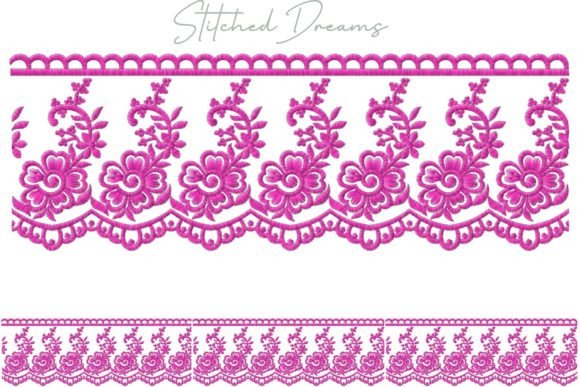
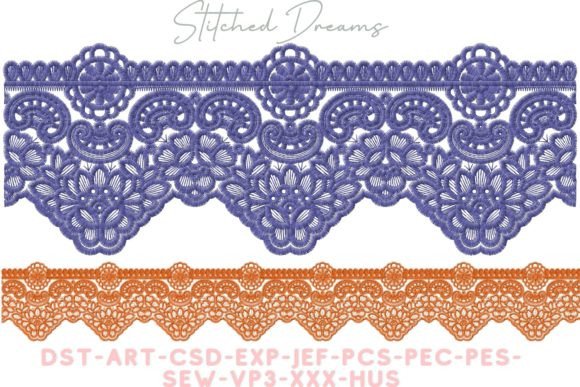
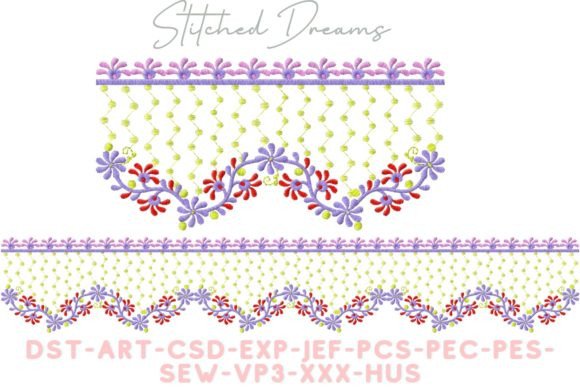
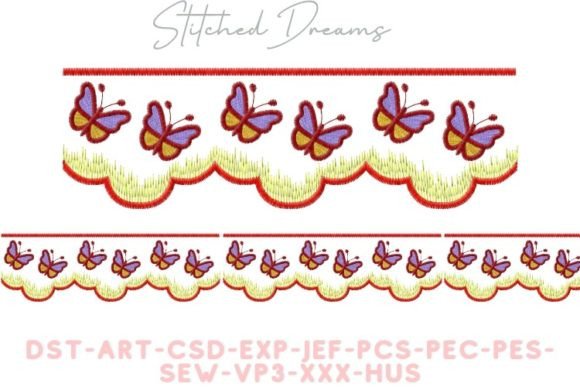
As an embroidery designer who’s built six holiday collections for small shops and Etsy sellers, my first glance at Embroidery Borders with Butterflies stopped me mid-scroll. It doesn’t shout—it whispers: delicate, airy, quietly joyful. The butterflies aren’t cartoonish or overly symmetrical; they’re fluid, slightly asymmetrical, with subtle wing texture that reads as hand-drawn elegance. This isn’t a “summer-only” motif—it’s a year-round border with seasonal flexibility. On spring linens, it feels fresh and renewing. On autumn table runners, paired with warm thread tones, it evokes gentle transition. At Christmas, layered under velvet ribbon or stitched onto cream linen ornaments, it adds quiet magic—not kitsch. Emotionally, it lands as romantic *and* grounded—neither too precious nor too casual. That balance is gold for handmade gift makers.
Where It Shines in Holiday Product Strategy
Embroidery Borders with Butterflies is a quiet workhorse for real-world seasonal selling. On sweatshirt embroidery? Perfect for the hem or sleeve cuff—adds personality without overwhelming. For tote bag design, it frames the bottom edge beautifully, giving structure to otherwise blank canvas—and shoppers instantly recognize it as “thoughtfully made.” Kitchen towel embroidery gains instant charm when stitched along the top border; it elevates everyday utility into a personalized gift. Pillow covers become Instagram-ready with this border framing monogrammed initials or a simple holiday phrase like “Joy” or “Gather.”
It excels in bundles: pair three matching borders (top, side, corner) for coordinated baby items—swaddle blankets, bibs, and onesies—creating cohesive gift sets. As an embroidered patch, it transfers effortlessly to denim jackets or backpacks for family matching items. For craft fairs, stitch it onto natural linen ornaments or mini pillow covers—small, high-margin, gift-ready products that photograph well and sell fast. And yes, it performs on social media previews: its organic flow reads clearly even in thumbnail size, and printable mockups show off its versatility across fabric types and colors.
Real-World Stitching Considerations
That delicacy comes with thoughtful execution. As a machine embroidery design, Embroidery Borders with Butterflies demands attention to stitch density and fabric pairing. On thick towels or dense terry cloth, reduce density slightly—or add a lightweight tear-away stabilizer beneath cutaway to prevent puckering. Dark fabric? Test thread colors thoroughly: soft sage, dusty rose, or antique gold read richer than pure white, which can flatten detail. Metallic thread? Use sparingly—only on butterfly outlines—to avoid breakage and stiffness. Avoid stretching it across curved caps or tight-knit knits unless you’ve confirmed hoop size compatibility and added stretch stabilizer.
Small hoop sizes (under 4x4”) require careful cropping—this border was clearly designed for medium-to-large hoops. Don’t force it into tiny spaces; instead, use one butterfly motif standalone as a focal point. And always review small details after stitching: wing tips, antennae, and fine connecting lines should be crisp—not fuzzy or skipped. If your test run shows thin areas, increase upper thread tension slightly or switch to a finer needle (75/11).
Design Notes Every Embroidery File Buyer Should Follow
- Test on both light and dark fabric before bulk production—thread behavior changes dramatically.
- Confirm hoop size requirements before purchasing the digital embroidery file; mismatched hoops cause re-hooping delays and alignment errors.
- Match stabilizer to fabric texture: cutaway for knits, tear-away for stable wovens, water-soluble for sheer layers.
- Create realistic mockups—not just flat white backgrounds. Show it on oatmeal linen, charcoal sweatshirts, and ivory cotton napkins.
- Plan a cohesive color palette in advance—three core thread colors (e.g., mist blue, heather gray, parchment) ensure brand consistency across your seasonal shop.
- Verify commercial licensing before selling finished product. Most digital embroidery files allow small-shop commercial use—but always double-check terms.
Why This Border Builds Customer Trust & Gift Appeal
Holiday shoppers don’t just buy stitches—they buy feeling. Embroidery Borders with Butterflies signals care, intention, and craftsmanship. Its refined detail tells customers: “This wasn’t mass-produced. It was chosen.” That perception lifts perceived value—even on modestly priced items like kitchen towels or aprons. For Etsy sellers, it strengthens visual recognition: repeat buyers begin to associate that graceful border with your shop’s aesthetic, building brand consistency over seasons. And because it’s versatile—not tied to one holiday—it avoids trend fatigue. A customer who buys a butterfly-bordered pillow cover in May may return for a holiday ornament set in December, trusting your curation.
Giftability increases significantly. Handmade gifts with botanical or nature motifs consistently outperform generic patterns during gifting periods—especially for moms, teachers, and wellness-focused recipients. Add a handwritten note and eco-friendly packaging, and Embroidery Borders with Butterflies becomes part of a memorable unboxing experience. Social proof follows: tagged photos of embroidered baby blankets or matching family totes generate organic engagement—no ad spend required.
Final Thought for Small Shop Owners
If you’re curating a seasonal embroidery collection for holiday drops, Embroidery Borders with Butterflies isn’t just another border—it’s a strategic asset. It bridges elegance and approachability, works across apparel, home, and accessories, and scales beautifully from single-item listings to limited-edition bundles. It invites personalization without demanding complexity. Just remember: its quiet strength lies in thoughtful execution. Respect the stitch density, honor the fabric, test early, and let the butterflies do the rest. In a crowded holiday market, subtlety—done well—is unforgettable.