Baby Feet Embroidery Design: A Designer's Real Review
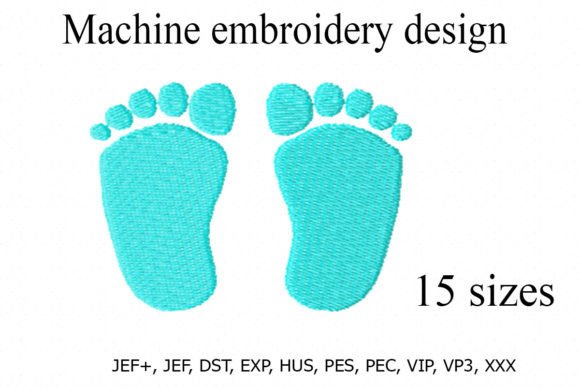
There is something quietly powerful about a pair of tiny footprints stitched onto fabric. I have worked with dozens of baby-themed machine embroidery design files over the years, and the Baby Feet Embroidery Design stands out for one reason: it communicates tenderness without trying too hard. The shape is simple, the lines are clean, and the emotional pull is immediate. When I opened the embroidery file and previewed it on screen, I could already picture it on a soft cotton onesie, a nursery pillow, or a keepsake blanket for a new arrival.
What I appreciate most about this design is its restraint. There is no clutter, no unnecessary flourishes. The footprints feel natural, slightly rounded, and sized in a way that works across a surprising range of products. The satin stitch borders and subtle fill stitch details give the design enough structure to hold up on textured fabric, yet it remains light enough to avoid stiffness on delicate baby clothes. As a reviewer who tests designs before committing them to a finished project, I look for balance, and this design delivers it.
First Impression: Mood, Shape, and Where It Belongs
The moment I saw the Baby Feet Embroidery Design, I thought of a birth announcement, a baby shower gift, or a boutique product for a newborn photography session. The footprints have a gentle, slightly whimsical curve that reads as warm and personal rather than clinical or overly cute. This is a design that parents will hold onto, not one that feels disposable or trend-chasing.
For a baby embroidery piece, the scale matters enormously. Some footprint designs are too large for a standard onesie front, while others shrink so small that the toes lose definition. This one appears to sit in a comfortable middle ground. I would test it on a 4x4 hoop first, but I suspect it will also work well on larger hoops for blankets or home decor projects. The visual personality leans toward classic keepsake territory, which gives it a longer shelf life in a craft business or Etsy seller product line.
Real Case: A Custom Baby Tote for a Client Order
Let me walk you through a real scenario. Last week, I received a request for a personalized baby gift set: a small canvas tote bag with the newborn's initials and a footprint motif, plus a matching onesie. The client wanted something elegant, unisex, and suitable for hospital keepsakes. I immediately thought of this Baby Feet Embroidery Design.
On the tote bag, the design stitched beautifully. I used a medium-weight cutaway stabilizer and a soft cream thread on natural canvas. The satin stitch edges came out crisp, and the footprint curves held their shape without puckering. The finished product looked like something you would find in a high-end baby boutique. On the onesie, I switched to a no-show mesh stabilizer and a pale gray thread, and the result was subtle, breathable, and completely washable. Both items photographed well for my shop listing, and the client's reaction confirmed what I already suspected: this design moves people.
Where the Design Shines Brightest
From my testing, this machine embroidery design performs best on products that benefit from a soft, sentimental focal point. Here are the most natural fits:
- Baby clothes and onesies — especially for hospital photos, coming-home outfits, and first-birthday gifts.
- Pillow covers — a single footprint pair centered on a nursery pillow creates an instant heirloom look.
- Blankets and swaddles — the design scales well for corner accents or centered placements.
- Tote bags — a great option for baby shower favors, doula client gifts, or boutique packaging.
- Tea towels and kitchen linens — surprisingly effective for grandparent gifts with a "grandbaby's feet" theme.
- Embroidered patch possibilities — if you finish the edges cleanly, this works as a standalone patch for jackets and bags.
Where Caution Is Required
No design is perfect for every surface, and the Baby Feet Embroidery Design deserves thoughtful placement. I would avoid using it on highly textured fabrics like thick terry cloth or chunky knit, where the footprint shapes could warp. On dark fabric, thread color choice becomes critical; pale pastels may disappear, so test contrast carefully. Stretchy fabrics like ribbed cotton or performance blends require extra stabilizer and possibly a basting spray to prevent shifting during stitching.
Curved surfaces, such as caps and hats, present a challenge. The footprint orientation needs to be adjusted carefully, and I would recommend a test run on a scrap cap panel before committing to a finished piece. Small hoop sizes may also limit your options, so confirm the design's dimensions before loading it onto a compact machine. The stitch density in the toe areas should be checked on a sample run to ensure the thread does not bunch or create raised bumps.
How the Design Affects Product Value and Customer Trust
When a customer sees a well-executed footprint design on a handmade product, the response is often emotional. That matters for sales. A design that looks messy, off-register, or poorly digitized will erode trust immediately. The Baby Feet Embroidery Design, when stitched with proper tension and the right stabilizer, produces a clean, professional finish that signals care and quality. For a small shop product or Etsy listing, this level of polish can be the difference between a one-time sale and a repeat buyer who leaves a glowing review.
From a branding perspective, this design supports a cohesive look. If you sell baby-themed items, having a signature footprint motif that you use across multiple products creates visual consistency. Customers begin to recognize your style, and that recognition builds brand consistency over time. I have used footprint designs in layered scenes with name embroidery, birth dates, and small floral accents, and the versatility holds up.
Giftability and Buyer Engagement
The giftability of a product matters enormously in the baby market. Parents, grandparents, and friends are all looking for something that feels personal and meaningful. A simple footprint design on a sweatshirt, a pillowcase, or a custom apparel piece carries a message without needing words. I have noticed that products featuring this type of design tend to attract more engagement on social media, especially when photographed in a nursery setting or paired with newborn props. For printable mockup use, the design reads clearly even at thumbnail size, which is a practical advantage for digital product sellers.
Practical Designer Notes Before You Stitch
Before you load this embroidery file onto your machine and start a production run, here are the steps I recommend based on years of trial and error:
- Test on scrap fabric first. Never assume the default settings will work perfectly on your chosen material. Run a sample on a similar fabric weight and texture.
- Check thread color contrast. Soft pastels may look lovely on white onesies but can vanish on cream or beige backgrounds. Test at least two color options.
- Review stitch density. Pay attention to the toe and heel areas. If the density feels too high, consult your machine's settings or the digitizer's notes.
- Confirm hoop size. Measure the design boundaries before committing. Some footprint files are wider than expected due to the natural splay of the toes.
- Inspect small details. Look closely at the arches and toe separations. On a sample stitch-out, these should be distinct and clean.
- Test in black and white mockups. A quick grayscale preview helps you see whether the design reads as a silhouette, which is important for monochrome projects.
- Use proper stabilizer. For baby clothes, I prefer a soft tear-away or no-show mesh. For tote bags and home decor, a cutaway stabilizer adds durability.
- Check licensing terms. Before selling finished items or including this design in a digital embroidery file bundle, confirm the commercial use policy with the original source.
Personal and Commercial Use: A Word on Licensing
This is one area where I always urge caution. The Baby Feet Embroidery Design falls into a category that is widely used for both personal keepsakes and commercial embroidery projects. If you plan to stitch it onto items for sale at craft fairs, in your Etsy shop, or through a boutique website, verify that the license allows commercial use. Some digitizers restrict resale of finished physical products, while others restrict only the redistribution of the digital file itself. Do not assume. Ask, read the terms, and keep a record.
For digital product sellers and design assets creators, the same rule applies. If you intend to use this design in mockups, previews, or bundled collections, the licensing path must be clear. A beautiful design is not worth a legal headache.
Final Thoughts from a Working Designer
After testing the Baby Feet Embroidery Design across multiple projects, I can say with confidence that it earns its place in a serious embroidery library. It is not flashy, and it does not need to be. The strength of this design lies in its emotional clarity and its practical reliability on a range of products. Whether you are stitching a single onesie for a friend's baby shower or building a full line of nursery home decor for your small business, this design will serve you well.
The footprint motif has been around for decades, but a well-digitized version remains timeless. This one respects the simplicity of the subject while giving you enough stitch quality to produce a finished product that looks professional, feels soft, and holds up to washing. For embroidery professionals and Boys category products alike, the design adapts easily to masculine, feminine, and neutral palettes, making it a smart addition to any craft business inventory.
My advice: test it, photograph it beautifully, and let the design speak for itself. Customers will feel the care you put into it, and that is what turns a simple stitched item into a cherished keepsake.