Baby Crocodile Embroidery: Stitch Test & Real-World Use
First Glance: More Than a Simple Reptile Motif
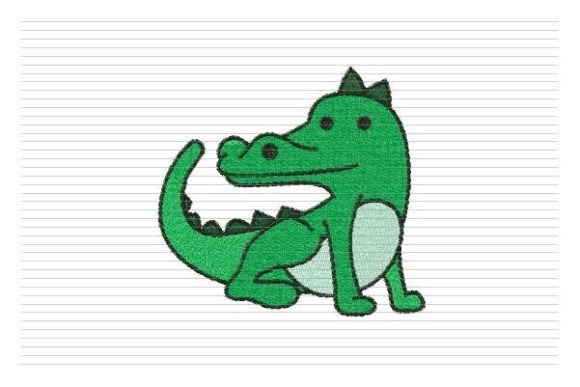
When I first opened the Baby Crocodile Embroidery file, I expected a flat, generic reptile shape. Instead, I found a design with real personality. The little crocodile sits in a balanced, front-facing pose that feels playful but not cartoonish. The silhouette is clean and rounded, with soft curves that immediately place it in the Baby Animals category. As a designer, I pay attention to how a design will read on fabric. This one has a clear, friendly expression that would work on everything from a nursery wall hanging to a casual tote bag. The composition suggests a mix of satin stitch for the outlines and fill stitch for the body, which usually means good dimension and a crisp, professional finish.
Imagining the Finished Stitch on a Real Project
I always test a design mentally by dropping it onto products I plan to sell. My first thought was a custom baby romper for a client’s baby shower gift. The Baby Crocodile Embroidery is compact enough for a left-chest placement, and the shape wouldn’t distort on a small hoop. I’d stitch it on soft cotton interlock with a lightweight cutaway stabilizer. Thread choice would be critical—a light olive green body with a darker sage for the scales would give it depth without overwhelming a pastel background. I also pictured it on a linen kitchen towel. There, I’d scale it slightly larger, but I’d need to confirm the file includes multiple sizes. The description notes it’s meant for towels and home decor, so I’d trust the digitizer’s sizing, but I always measure before hooping.
How the Design Holds Up on Different Surfaces
Not every fabric is forgiving. The Baby Crocodile Embroidery uses satin stitch borders that need a stable surface. On stretchy knits, a fusible mesh stabilizer is non-negotiable to prevent puckering. On textured fabrics like terry cloth, the fill stitches might sink, so a water-soluble topping keeps the face crisp. I’d avoid using it on very thin silk or loosely woven linen without a firm backing. For caps, the curved surface could challenge the registration; I’d test it on a structured cap first, possibly reducing the size slightly. The design’s density looks moderate, which is good for reducing thread breaks and keeping the back of the project soft.
Commercial Appeal and Customer Trust
For small business owners, the Baby Crocodile Embroidery fills a niche. It’s not the usual teddy bear or bunny. It speaks to reptile lovers, adventurous kids, or anyone who wants a subtle, cool twist on a baby animal. I could see it on a toddler’s backpack, a sweatshirt, or even a embroidered patch. When I think about an Etsy listing, a photo of a linen pillow with this design would feel rustic and playful. The design’s visual clarity matters: the eye and tail ridges need to stitch out cleanly to build customer trust. I’d recommend a thread color that contrasts well with the fabric. A dark fabric might swallow the fine details if the stitch is too light. I’ve learned that the hard way with other designs.
Product Scenarios That Make Sense
Here are a few real-use ideas I’d explore with this design:
- Custom baby apparel – onesies, bibs, and tiny sweatshirts for baby shower gifts.
- Home decor – cushion covers, tea towels, or a framed hoop art piece for a nursery.
- Accessories – a canvas tote bag for a beach day, or a zip pouch for a child’s backpack.
- Seasonal gifts – a holiday stocking or a personalized apron for a reptile-loving friend.
Each of these relies on the design’s unisex charm. It’s cute without being cutesy, which broadens the appeal.
Practical Tips Before You Start Stitching
I always test a new machine embroidery design on scrap fabric first. Here’s my checklist for the Baby Crocodile Embroidery:
- Check thread color contrast – run a sample on both light and dark fabric to see how the silhouette holds up.
- Review stitch density – if the fill is too dense, it can make the fabric stiff. This one looks well-balanced, but I’d still run a test.
- Confirm hoop size – the file likely comes with multiple sizes, but never assume. Measure the design before loading it.
- Inspect small details – the eye and scale lines should be distinct. If the running stitch is too long, it might look broken.
- Test in black and white – I often view the design in a monochrome mockup to see if the shape works without color. It’s a great way to check silhouette recognition.
- Use proper stabilizer – for towels, a tear-away plus a water-soluble topping; for knits, a cutaway stabilizer.
- Verify licensing – before selling finished products, I always confirm the digital embroidery file allows commercial use. The description doesn’t spell it out, so I’d contact the seller.
Where the Design Truly Shines
In my experience, the Baby Crocodile Embroidery excels on items that need a touch of charm without being overly sweet. It’s perfect for a handmade product line aimed at new parents, or for boutique branding that wants a playful edge. I’d use it on an apron for a foodie who loves whimsical decor, or on a tote bag for a shop that sells eco-friendly goods. The design’s neutral expression and clean lines mean it can age with the child. I’ve seen similar motifs become signature pieces on kids’ clothing labels in small shops. It’s a conversation starter, and that kind of recognition builds repeat customers.
Avoiding Common Pitfalls
Even a well-digitized design can go wrong if you ignore the basics. Here’s what I’d watch for:
- Small hoop attempts – if you shrink the design too much, the satin stitch might bunch up. Stick to the intended size range.
- Stretchy fabric distortion – always hoop with a stabilizer and don’t pull the fabric too tight.
- Dark fabric details – the crocodile’s eye might disappear on navy or black. Choose a lighter thread shade for the eye or add a small highlight manually.
- Layered garments – stitching on a hoodie pocket or a seam can cause uneven registration. I’d keep the design on a flat, uninterrupted area.
- Overlooking the mockup – I always create a printable mockup for my shop listings. A clean, stitched-out preview builds buyer confidence.
The Subtle Art of Evaluating an Embroidery Design
When I review a machine embroidery design, I look beyond the thumbnail. I ask: will the satin stitch pull the fabric? Does the fill stitch direction create a sense of movement? In the Baby Crocodile Embroidery, the body seems to have a horizontal fill that mimics the natural grain of scales. That’s a thoughtful digitizing choice. The tail curves gently, and the legs are defined without being so tiny that they stitch poorly. I always check the color stops. If the design has too many, it’s tedious on a single-needle machine. From the preview, it looks like a manageable three or four colors, which is efficient for production.
Final Thoughts from the Worktable
I’d confidently add the Baby Crocodile Embroidery to my design assets library. It’s a reliable file for quick gifts or small-batch merchandise. The design’s simplicity is its strength—it doesn’t try to be hyper-realistic, so it stitches out consistently. For crafters and Etsy sellers, it’s a forgiving design that doesn’t require expert-level digitizing adjustments. The finished product will have a professional look that buyers appreciate. I’d love to see it on a terrycloth hooded towel—imagine a baby crocodile peeking out from the hood. That’s the kind of practical charm this design delivers. Just remember to pair it with a good stabilizer, test your thread colors, and confirm the commercial license before you sell. A little preparation goes a long way in turning a cute embroidery file into a product that customers trust and remember.